The government is preparing amendments to several key road related laws ahead of the introduction of the Multi-Lane Free Flow (MLFF) toll collection system, a modern approach that allows vehicles to pass toll points without stopping.
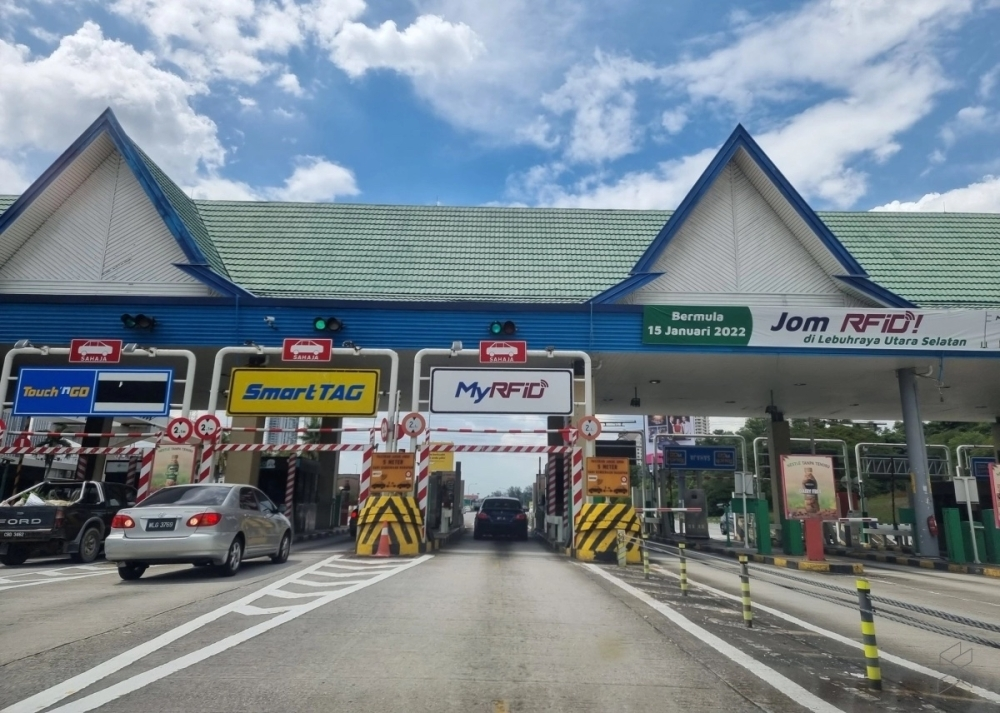
Image credit: SoyaCincau
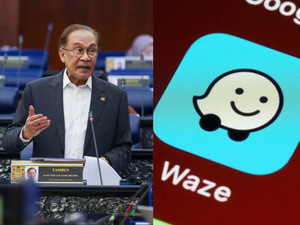
Datuk Seri Ahmad Maslan, the Deputy Minister of Works, informed the Dewan Rakyat that revisions to the laws will be carried out next year:
- The Highway Authority Malaysia (Incorporation) Act 1980
- Road Transport Act 1987
- Federal Roads Act 1959
These changes are required to support the MLFF system, which relies on Automatic Number Plate Recognition (ANPR) and RFID technology to streamline toll transactions and improve traffic flow.
“The MLFF initiative is intended to reduce congestion at toll plazas by eliminating the need for vehicles to queue or slow down. The system is expected to enhance efficiency and offer a more seamless experience for highway users,” he said.
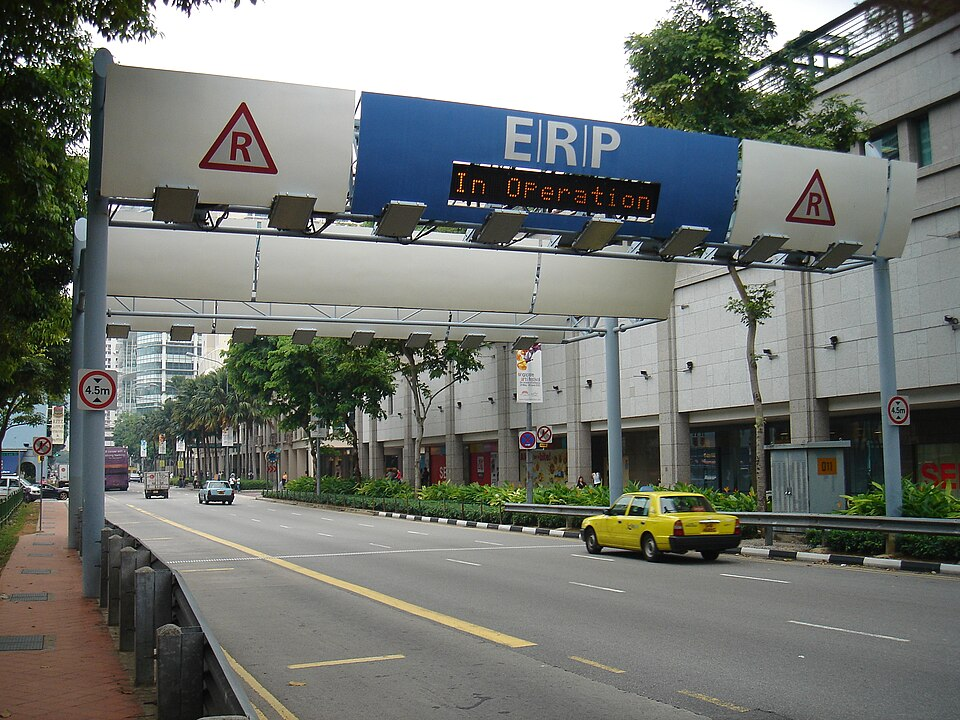
Image credit: Wikimedia Commons
Progress towards barrier-free tolling
According to this system, Malaysia has outlined its broader intention to roll out a fully barrier-free toll system by 2027, mirroring features of Singapore ERP model. Current proof-of-concept trials on the Kemuning-Shah Alam Expressway, involving Touch ‘n Go and CIMB Bank, include the installation of gantries and supporting infrastructures at the Alam Impian toll plaza.
In addition, Plus Malaysia is conducting targeted ANPR trials along the North-South Expressway. If these pilots prove successful, the system will enable open payments through credit and debit cards, with ANPR cameras charging vehicles automatically via linked accounts.
Image credit: Canva
Financial clarifications
Concerns raised by the Public Accounts Communities regarding the MLFF project’s estimated cost of RM3.46 billion were addressed by Ahmad, who emphasized that the implementation carries no direct financial burden for the government.
The rollout will adopt a business-to-business model, allowing private service providers to negotiate directly with the 33 highway concessionaires and ensuring no additional charges are imposed on users.
Follow Wah Piang for more.