Oxford University is facing mounting criticism after it posted about a rare Rafflesia discovery in Sumatra—while failing to properly credit the very people who made the expedition possible.
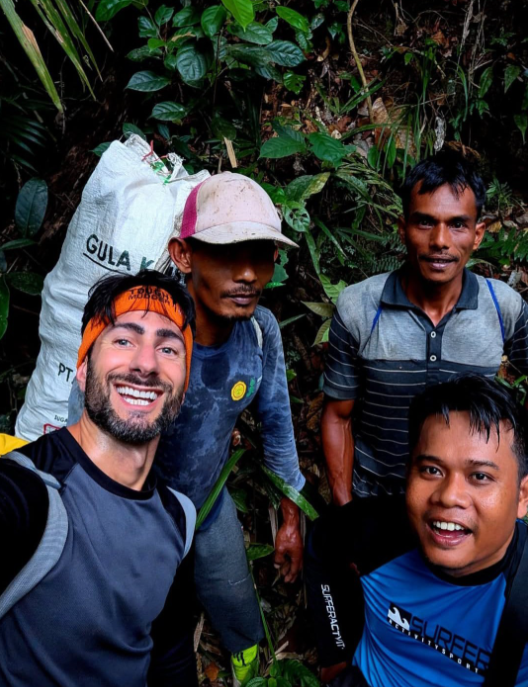
Image credit: illustratingbotanist (Instagram)
In its social media announcement, Oxford highlighted its own scientist, Dr Chris Thorogood, trekking through “tiger-patrolled rainforests”, while the three Indonesian experts who actually led the search, Joko Witono, Septi Andriki, and Iswandi, were reduced to an unnamed “team.”
For many Indonesians, conservationists, and global academics, it felt like a painful and familiar pattern: local researchers doing the heavy, risky groundwork, only for a Western institution to take centre stage.
Former Indonesian education minister Anies Baswedan publicly called Oxford out, reminding the university that Joko, Septi, and Iswandi are not “NPCs” in someone else’s adventure story, but respected scientists who’ve dedicated their lives to these forests.
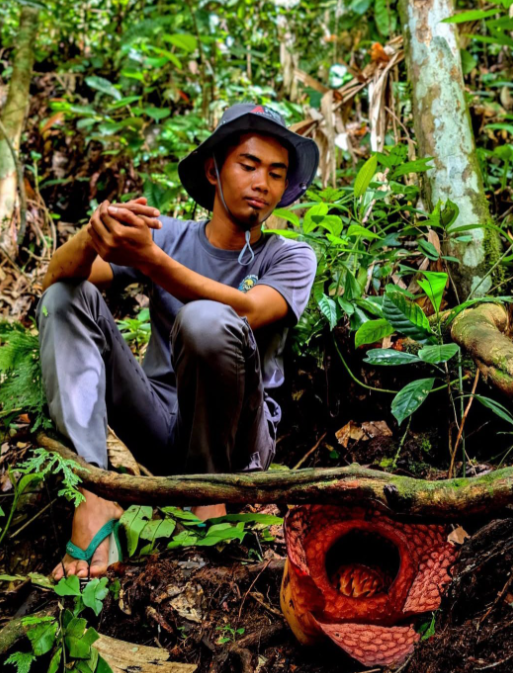
Image credit: illustratingbotanist (Instagram)
And the frustration is justified. What happened out there wasn’t just a research trip, it was a mission paid for with decades of local knowledge, emotional labour, and real physical danger.
A journey shaped by the people who know the forest
Long before any social media post, the work began with three men who know the Sumatran rainforest like a second skin. The researchers:
- Joko from Indonesia’s National Research and Innovation Agency
- Septi Andriki a local conservationist
- Iswandi from forest-management specialist
understand the secret pathways, the host vines, and the quiet signals of a living, breathing jungle watched over by tigers.
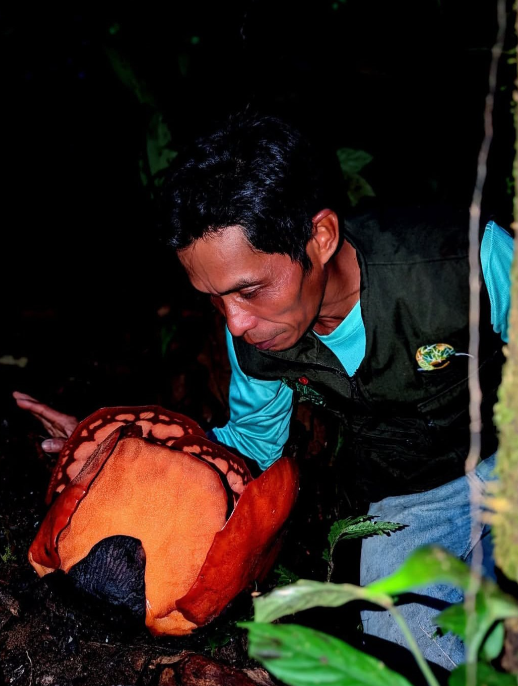
Image credit: illustratingbotanist (Instagram)
Their experience is what allowed the team, joined by Dr Thorogood of Oxford to even attempt this journey. Together, they pushed through thick undergrowth day and night, armed with permits and a rare hope: to witness the blooming of Rafflesia hasseltii, a flower so elusive it’s said to be “seen more by tigers than people.”
A once-in-a-lifetime moment
After years of searching, Septi finally saw the Rafflesia open under the dark canopy, a bloom that lasts only a few fleeting days. Overcome with emotion, he wept beside the flower he’d spent 13 years trying to find. Thorogood later described the moment as “life-changing,” and for the entire team, it truly was.
This should’ve been a celebration of shared achievement of science, perseverance, and deep respect for the forest. But the way the discovery was presented online cast a shadow over that joy.
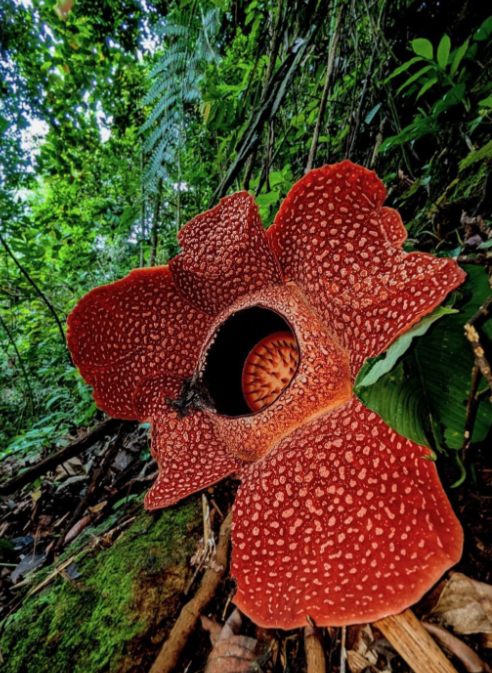
Image credit: illustratingbotanist (Instagram)
Four days later, still no correction
As of now, Oxford University hasn’t updated its post to name the Indonesian scientists directly, despite days of backlash and countless reminders from netizens around the world.
For many, the silence speaks loudly. It reinforces exactly what critics are saying: this isn’t just a simple social-media oversight. It reflects a deeper issue, one where the labour, expertise, and lives of Global South researchers are often overshadowed or erased in international narratives.
The discovery of the Rafflesia is a triumph. But giving proper credit to the people who risked the most for it is the bare minimum and the world is watching to see whether Oxford will do the right thing.
Follow Wah Piang for more