For most Malaysians, turning on the tap comes with an assumption: that the water flowing out is as safe and reliable as it was when it left the treatment plant.
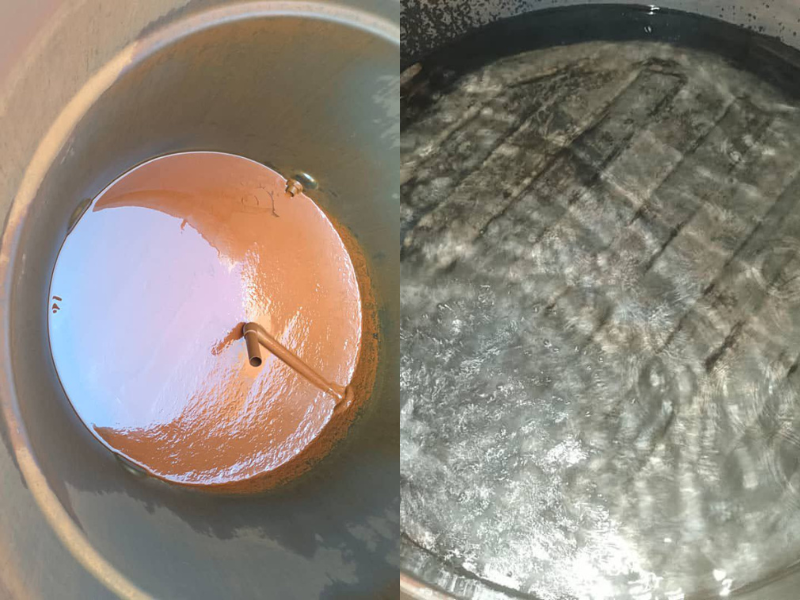
But the reality is far more fragile. Water quality can change after it enters a building, affected by aging internal pipes, storage tanks, and long-overdue maintenance—issues that exist quietly across homes, apartments, and offices nationwide. While Malaysia’s urban water infrastructure is generally reliable, many households face water quality challenges after water enters their premises. In many cases, these risks go unnoticed. Water may still appear clear, yet quality at the point of use can be compromised long after it leaves municipal control.
An invisible issue with everyday consequences
Across Malaysia, buildings constructed decades ago continue to rely on aging internal water infrastructure. Over time, corrosion, sediment build-up, and poorly maintained storage systems can degrade water quality inside premises—creating uncertainty around daily use for drinking, cooking, and hygiene.
Among the most exposed are orphanages and elderly care homes facing constraints on maintenance resources. For these institutions operating on tight budgets, water concerns quietly drain resources away from education, care, and development. Yet this issue remains largely overlooked.
A quiet water revolution transforming care institutions across Malaysia
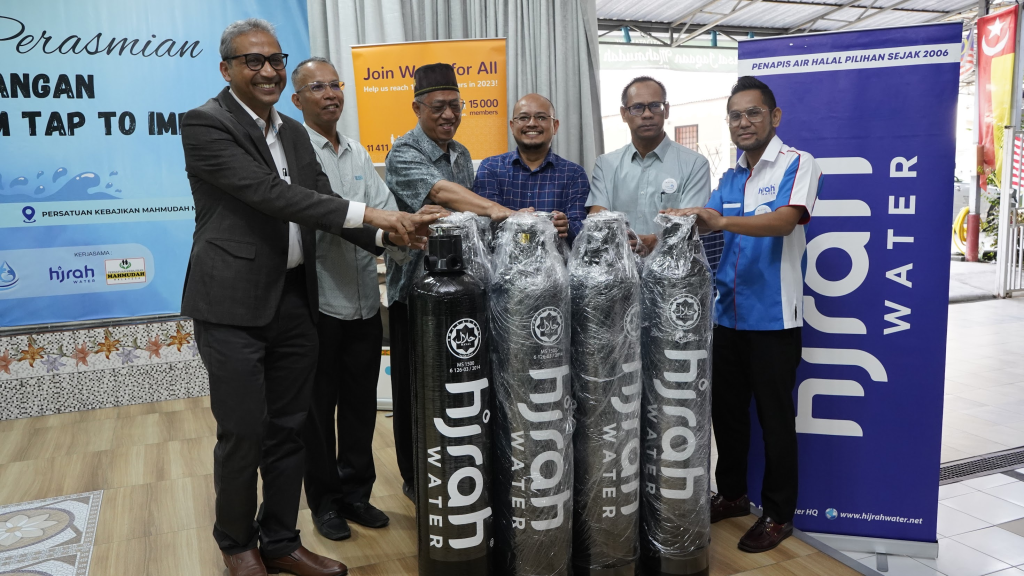
A new initiative, MyJernih: From Tap to Impact, is addressing this largely invisible but deeply consequential issue: water quality degradation after municipal supply, caused by aging internal pipes, storage tanks, and limited maintenance resources in registered orphanages and elderly care homes.
Rather than short-term relief or symbolic aid, MyJernih is delivering long-term, infrastructure-based change—restoring confidence in something most people take for granted: the water that flows from the tap.
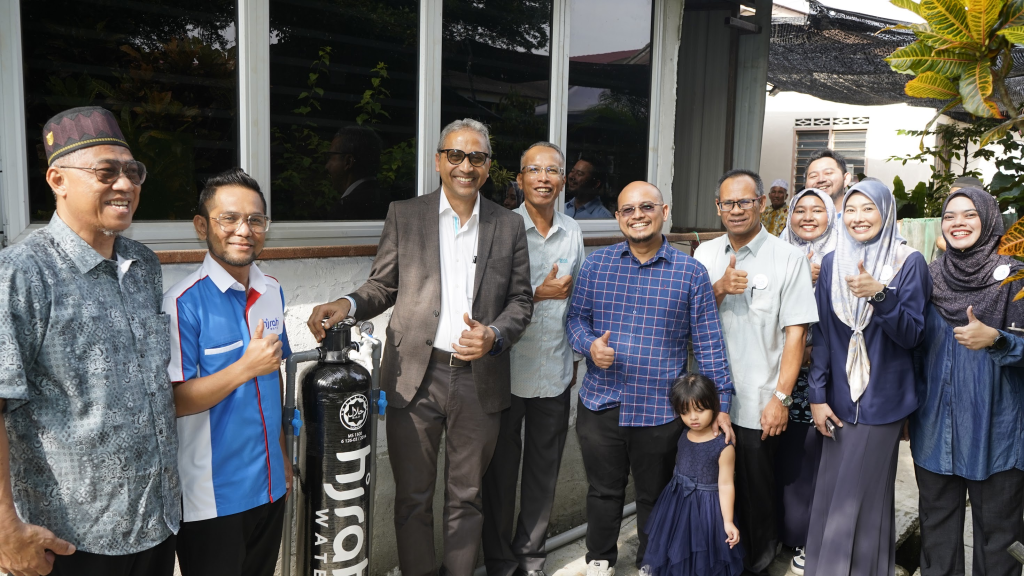
Initiated by ten of University Kebangsaan Malaysia (UKM)’s Master of Business students, MyJernih responds with a focused and scalable solution: the installation of certified whole-house water filtration systems at the point of entry in care institutions.
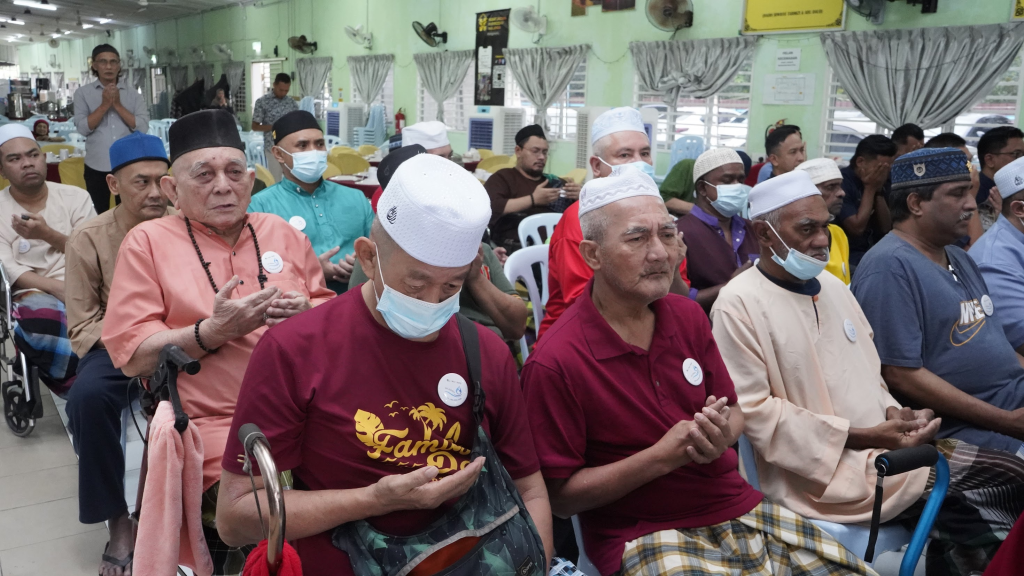
During its pilot phase, launching on Sunday, 18 January 2026, the project will support 10 registered orphanages and elderly care homes across Malaysia, improving water quality confidence for an estimated 300 residents in:
• Selangor
• Melaka
• Johor
• Kedah
• Perak
• Kelantan
Each installation is professionally assessed, vendor-installed, and verified through pre- and post-installation checks to ensure real, measurable impact.
Built for sustainability, not headlines
What distinguishes MyJernih is its infrastructure-first, partnership-led approach, anchored in collaboration with Hijrah Water, a trusted local water filtration specialist. By working with a Malaysian-based partner, the project strengthens local capability while ensuring systems are installed in accordance with regulatory requirements and supported by accessible, on-the-ground maintenance.
Beyond installation, MyJernih brings together corporate sponsors and NGOs committed to long-term CSR sustainability, ensuring that improvements are maintained well beyond the initial pilot phase.
Designed with scalability in mind, all project processes, partnerships, and results are systematically recorded to enable replication across communities nationwide, supporting broader adoption of practical, locally driven water quality solutions.
Why this initative matters now
At a time when sustainability, ESG commitments, and social impact are under increasing scrutiny, MyJernih oFers a compelling reminder: real change doesn’t always look dramatic—but it changes lives quietly, every single day.
By strengthening something as fundamental as water infrastructure, this project is reshaping how care institutions operate, creating healthier environments where it matters most.
Follow Wah Piang for more.
Got an inspiring story to share? Email us at [email protected].