Amid the ongoing conflict in the Middle East, many countries are feeling the ripple effects of supply disruptions and an emerging oil crisis. Fuel prices have surged, and some nations are even facing supply shortages.
Against this backdrop, here’s how Southeast Asian countries are navigating the challenges and adapting to the evolving situation.
Situation in SEA countries
1. Thailand
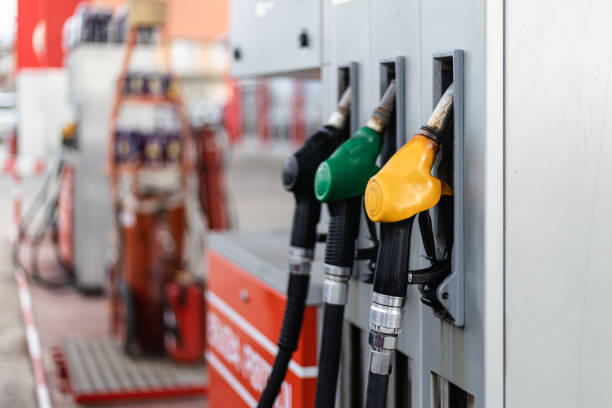
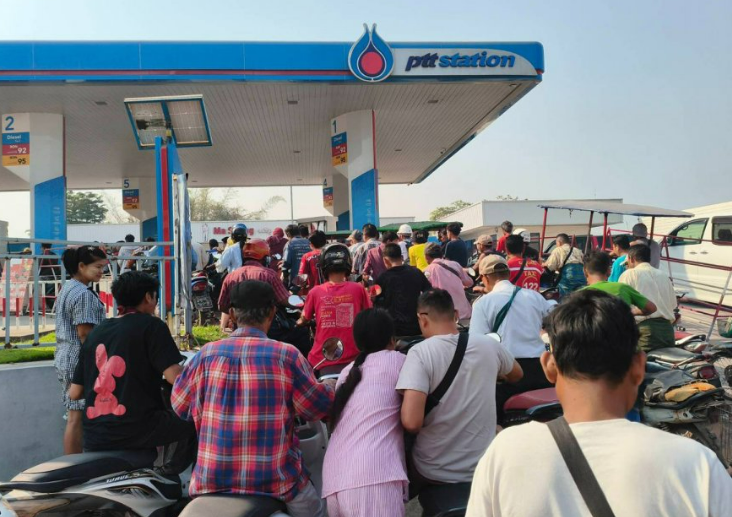
- Petrol stations in areas like Sadao and Hat Yai experienced fuel shortages or limited fuel availability.
- Some stations impose quotas (about THB 500 per car / THB 50 for motorcycles), limiting how much fuel can be filled at one time.
- Residents in Narathiwat Province have been panic‑buying fuel, worsening shortages. Some stations have temporarily closed due to lack of stock.
The Thai’s government has also implemented the 7-step oil crisis relief:
- Finance Ministry to consider reducing excise tax rates worked out with the Election Commission of Thailand.
- Monthly allowance for consumer goods increased from THB300 to THB400 per person for a month.
- Support for truck operators, bus operators, and motorcycle taxi riders affected by rising fuel prices will be introduced.
- Focus on reducing fertiliser costs via the Green Flag project and low-cost fertiliser initiatives, promotion of alternative or organic fertilisers to reduce import dependency.
- Fishermen will get access to B20 fuel costing THB5–6 less per litre than regular fuel prices.
- Extend work inspection and acceptance periods for delayed projects due to fuel shortages.
- Government Savings Bank to provide THB10 billion in soft loans to improve liquidity, especially for small businesses in the supply chain.
2. Philippines
- A total of 403 petrol stations nationwide have temporarily halted operations.
- Officials are watching closely for possible hoarding, price manipulation, or illegal conduct that may worsen shortages or price spikes.
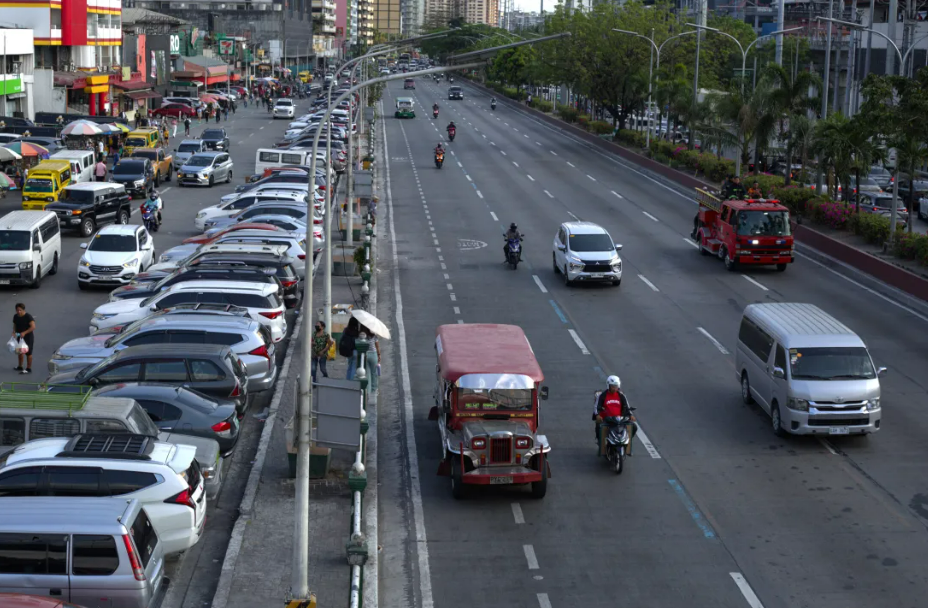
- Major roads in the Manila are unusually quiet as fuel prices surged have kept many vehicles off the road.
- Fewer buses, jeepneys (shared transport), and ride‑hailing vehicles are operating due to costs, pushing more commuters to make use of Manila’s limited railway network.
- The government is granted expanded powers to procure petroleum products and make advance payments to secure sufficient fuel supply.
- A support programme called the Unified Package for Livelihoods, Industry, Food, and Transport (UPLIFT) has been launched to cushion rising energy costs.
- The programme aims to improve resource management and strengthen fuel distribution systems, also provides targeted assistance to communities most affected by the energy crisis.
- According to Al Jazeera on 25 Mar, Manila was working with Washington to secure exemptions that would allow for the purchase of oil from countries under US sanctions.
3. Vietnam
- The government has been repeatedly using the Fuel Price Stabilization Fund (FPSF) to lower domestic prices, including allocating small subsidies per litre for petrol, diesel, kerosene, and mazut.
- Vietnam is advancing its nationwide deployment of E10 ethanol‑blended fuel earlier than planned (starting in April) to reduce reliance on conventional gasoline and support energy transition goals.
- Measures are aimed at ensuring price stability while encouraging biofuel use and managing market volatility amid global oil price fluctuations.
- Vietnam’s national carrier will suspend nearly two dozen (23) domestic flights per week starting 1 April 2026 because of limited jet fuel supply.
Furthermore, Vietnam has asked Japan and South Korea for assistance in increasing its access to crude oil supplies amid global energy disruptions. The request was made on the sidelines of an energy security summit in Tokyo, where Vietnam’s Deputy Minister of Industry and Trade Nguyen Hoang Long conveyed the appeal to counterparts.
4. Singapore
- Singapore has significant refining capacity (over 1.3 million barrels per day) and extensive storage and bunkering infrastructure.
- Singapore has been relatively less affected by the oil and gas disruptions because of stockpiling and diversification.
- Local authorities have indicated that fuel supply is currently stable, but prolonged global disruptions could still put upward pressure on prices.
- Continued volatility in energy markets may translate to increased cost of living and inflationary pressures if fuel and energy costs remain elevated.
5. Malaysia
- Malaysia is unlikely to face a physical petrol shortage immediately, even with ongoing Middle East geopolitical tensions.
- Malaysia government maintains the retail price of RON95 petrol at RM1.99 per litre, despite global price pressure, but the quota limit of subsidised fuel has gone down from 300litre to 200 litre per month starting from April.
- Malaysia has also implemented targeted diesel subsidy schemes (Budi Madani), and those who are eligible for the Budi Madani diesel cash assistance will get RM300 effective for the month of March 2026.
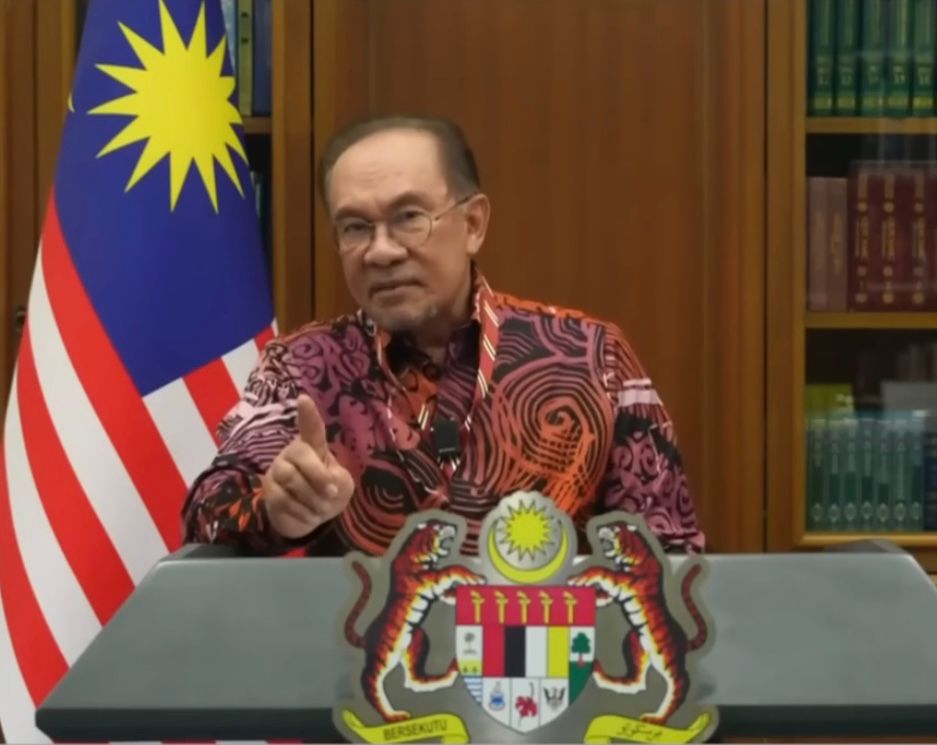
- According to the announcement on Thursday, Prime Minister Datuk Seri Anwar Ibrahim said that Iran has agreed to allow Malaysian oil tankers to transit the strategic Strait of Hormuz after diplomatic talks involving Malaysian and regional leaders.
Follow Wah Piang for more.