Every World Cup champion has a group of players who represent the team’s identity. Some teams win through unstoppable attacking power, some through midfield control, and others through teamwork and tactical discipline. Looking back at the last seven World Cups, these trios played important roles in creating football history.
2002 Brazil
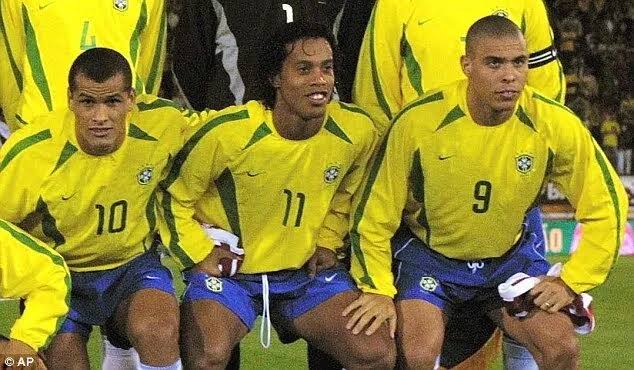
Rivaldo – Ronaldinho – Ronaldo Nazário
Brazil’s 2002 champions were remembered for their incredible attacking talent. The famous “Three R’s” brought creativity, skill, and goals to a team that dominated the tournament.
Ronaldo Nazário was the main goal scorer, finishing as the tournament’s Golden Boot winner after recovering from years of injuries. Rivaldo provided experience, intelligence, and important goals, while Ronaldinho brought imagination and unpredictable moments.
What made this trio special was their natural attacking chemistry. They gave Brazil a perfect mix of finishing, creativity, and individual brilliance, helping the country win its fifth World Cup title.
2006 Italy
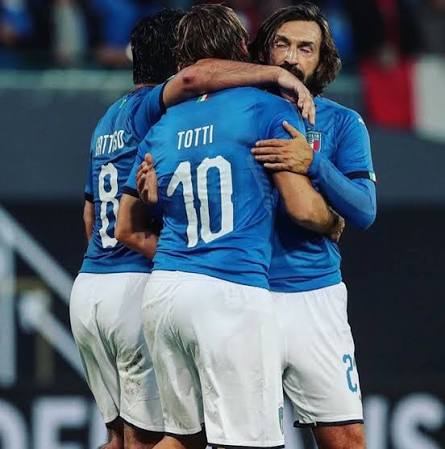
Andrea Pirlo – Gennaro Gattuso – Francesco Totti
Italy’s 2006 World Cup victory was built on balance, mentality, and individual quality. This trio represented three different sides of Italian football.
Andrea Pirlo was the calm genius who controlled matches with his passing and vision. Gennaro Gattuso was the fighter, winning battles in midfield and protecting the team’s structure. Francesco Totti provided creativity and attacking quality, delivering important moments throughout the tournament.
Their strength was their contrast. Pirlo created, Gattuso destroyed, and Totti unlocked defenses. Together, they helped Italy lift their fourth World Cup trophy.
2010 Spain
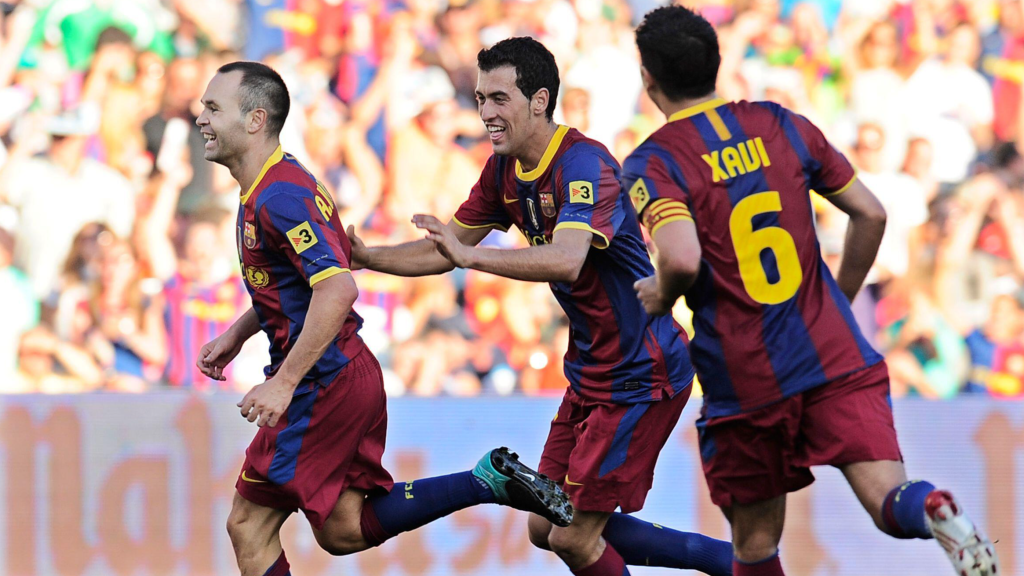
Andrés Iniesta – Xavi – Sergio Busquets
Spain’s 2010 World Cup triumph introduced one of football’s greatest styles to the world. Their dominance came from controlling possession and controlling the game.
Xavi was the mastermind who dictated the rhythm. Sergio Busquets provided defensive intelligence and balance, allowing the team’s creative players to shine. Andrés Iniesta delivered the most important moment, scoring the winning goal in the final against the Netherlands.
Their ability to keep the ball and control opponents made Spain almost impossible to stop. They represented the peak of the tiki-taka era.
2014 Germany
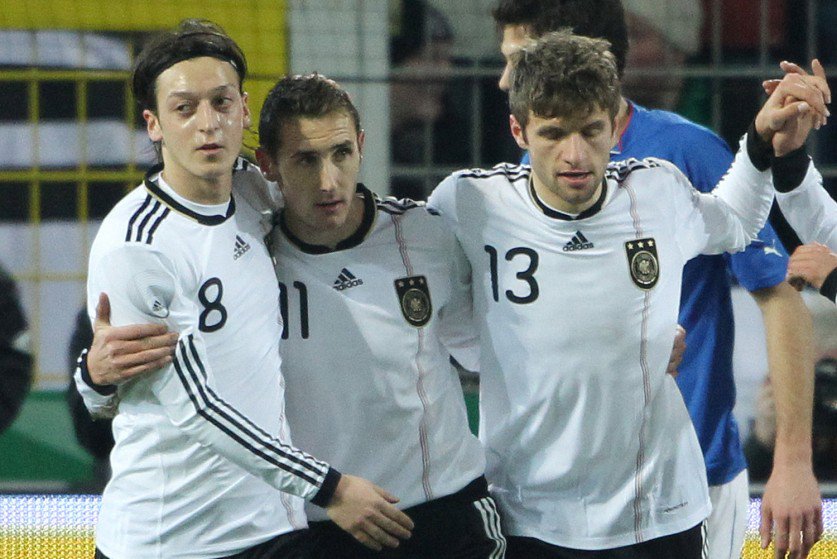
Mesut Özil – Miroslav Klose – Thomas Müller
Germany’s 2014 champions were built on teamwork and ruthless efficiency. Their trio combined creativity, experience, and incredible movement.
Mesut Özil provided vision and creativity between the lines. Miroslav Klose became the World Cup’s all-time leading scorer and brought experience in front of goal. Thomas Müller continued his incredible World Cup form with his movement and goals.
Their biggest strength was understanding. Every player knew their role, and Germany’s perfect teamwork helped them defeat Argentina in the final and claim their fourth World Cup.
2018 France
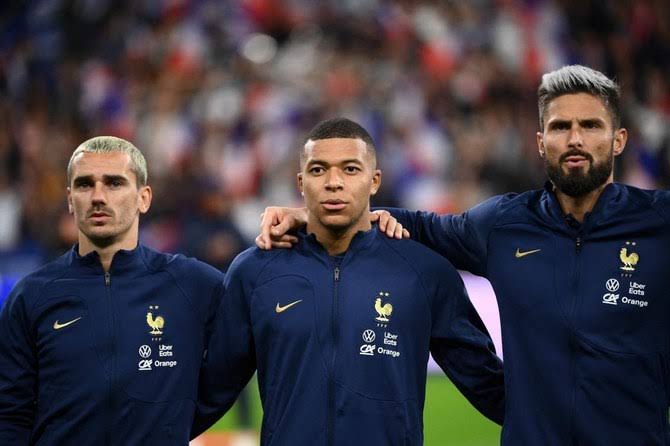
Kylian Mbappé – Antoine Griezmann – Olivier Giroud
France’s 2018 victory showed the perfect combination of speed, talent, and physical strength.
Kylian Mbappé announced himself as a global superstar with his explosive pace and fearless attacking. Antoine Griezmann was the creative leader who connected the team’s attack. Olivier Giroud provided strength, movement, and the ability to bring others into the game.
Their difference was versatility. France could attack quickly, control possession, or dominate physically, making them one of the most complete teams of the tournament.
2022 Argentina
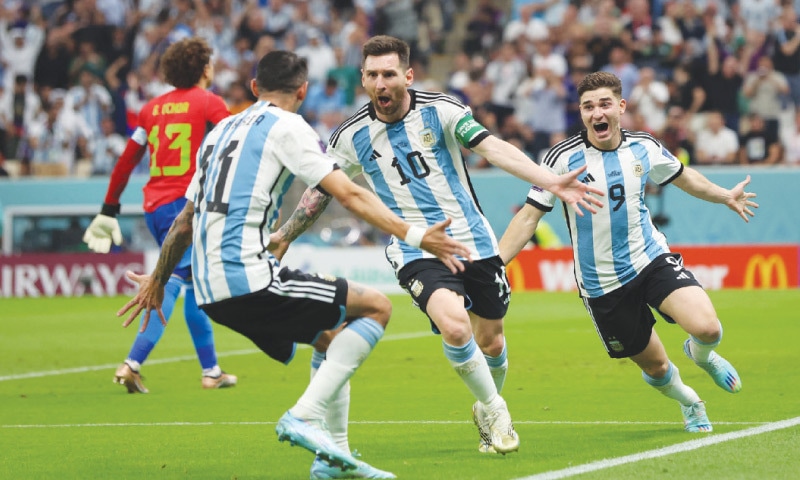
Lionel Messi – Ángel Di María – Julián Álvarez
Argentina’s 2022 World Cup victory was built around emotion, belief, and the brilliance of Lionel Messi.
Messi produced one of the greatest individual World Cup performances ever, scoring goals and creating moments throughout the tournament. Ángel Di María delivered when it mattered most, scoring in the final and providing experience. Julián Álvarez brought energy, pressing, and important goals during Argentina’s run.
This trio represented different generations coming together, Messi’s greatness, Di María’s experience, and Álvarez’s hunger. Together, they brought Argentina their first World Cup since 1986.
2026 Spain
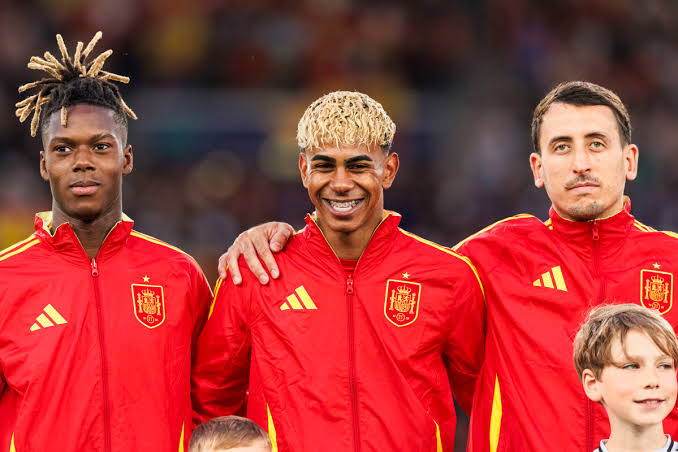
Lamine Yamal – Mikel Oyarzabal – Nico Williams
Spain’s 2026 World Cup victory marked the beginning of a new era. After the legendary Xavi-Iniesta generation, Spain returned to the top with a faster and more direct attacking style.
Lamine Yamal became the symbol of Spain’s future, bringing creativity, confidence, and incredible talent at a young age. Mikel Oyarzabal provided intelligence, movement, and important attacking contributions. Nico Williams added explosive speed and the ability to change games instantly.
Their strength was evolution. They kept Spain’s technical identity while adding more pace and unpredictability, creating a new generation of champions.
The end of one era, the start of another
There is no denying that the FIFA World Cup is a global spectacle that brings football fans from every corner of the world together. On the pitch, we witness the rise of the next generation of stars while legends make their final bow, creating a full-circle moment that reflects the very essence of football, where every ending marks the beginning of something new.
These are the 21 legends who helped write World Cup history. Who do you have your eyes on next? Let us know.
Follow Wah Piang for more.