While all eyes are on the war happening in the Middle East, Malaysia has been quietly making its move, building alliance that could very reshape the future of trade, defense and global influence. In one of the most recent geopolitical moves, Malaysia has decided to join hands with Türkiye, deepening their alliance. Now you might be wondering, what’s this about and how does it help us as a country? Let us break it down for you.
Türkiye & Malaysia pledged to deepen alliance
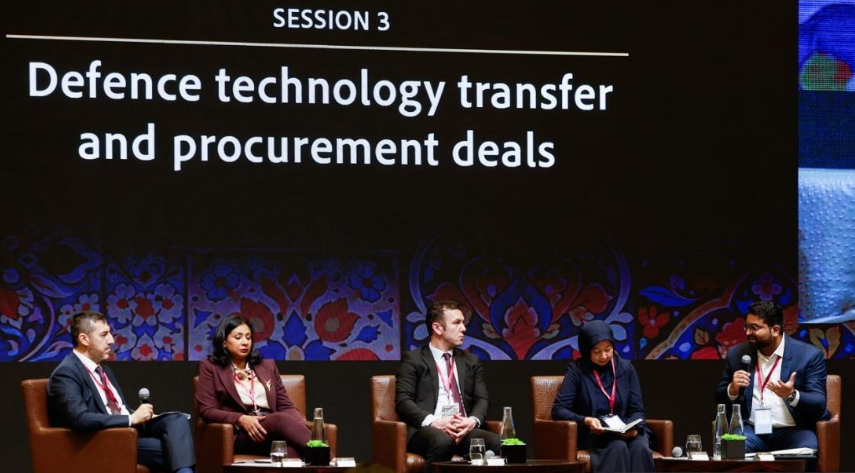
Malaysia and Türkiye have recently strengthened bilateral ties through a series of agreements aimed at deepening cooperation across multiple strategic sectors.
Professor Dr Nebi Miş from the Foundation for Political, Economic and Social Research (SETA) described the relationship as “inseparable,” urging both countries to strengthen cooperation across key sectors, particularly in economic collaboration and education exchange.
Speaking at the Kuala Lumpur-Ankara Dialogue 2026, Miş emphasized the need for:
- Stronger economic ties
- Increased student exchange between Malaysia and Türkiye
Meanwhile, Mohd Faiz Abdullah noted that cooperation in peace and security remains a key pillar of the relationship, although continued efforts are needed to fully realise its potential.
Despite modern developments, the ties between Malaysia and Türkiye are deeply rooted, dating back centuries. Today, the partnership continues to grow, with bilateral trade reaching approximately US$5 billion, reflecting both countries’ commitment to long-term collaboration.
The hidden strategy behind this deal
1. A “Stability Alliance” in an unstable world
According to Bernama, the relationship is now seen as a “model of stability and strategic cooperation amid global uncertainty”
This signals that:
- Malaysia is aligning with countries that prioritises predictability and long-term trust
- It is building partnerships that can withstand global conflicts and economic shocks
2. Quiet shift towards “Middle Power” strategy
The Kuala Lumpur–Ankara Dialogue 2026 gathered over 250 policymakers and strategists to discuss how the partnership is reshaping geopolitics and geoeconomics.
This shows:
- Malaysia is actively positioning itself as a middle power, not just a regional player
- It is building influence beyond ASEAN, especially into Europe and the Middle East via Türkiye
3. Leveraging Türkiye’s role as a global mediator
Prime Minister Anwar Ibrahim highlighted Türkiye’s approach as a country that chooses dialogue over confrontation, especially in ongoing global conflicts. This approach has strengthened its image as a stabilizing middle power capable of engaging multiple geopolitical blocs.
Malaysia sees value in this role and has deepened its ties with Türkiye as part of its broader balanced foreign policy. By aligning with Ankara, Malaysia indirectly expands its diplomatic reach and strengthens its voice in international discussions, while reinforcing its own position as a neutral, bridge-building nation in global affairs.
4. Future-focused cooperation
Beyond diplomacy, both countries are expanding into:
- Defence industries
- Semiconductor and technology sectors
- Energy security cooperation
These areas were specifically highlighted as priorities for future collaboration. This means Malaysia is not just trading, it is building strategic capabilities. The partnership is designed for long-term resilience, not short-term gains.
Follow Wah Piang for more.