Four Singaporean Grab drivers found a loophole in the GrabExpress delivery system and cheated GrabTaxi Holdings of approximately SGD 58,000 (RM 179,173).
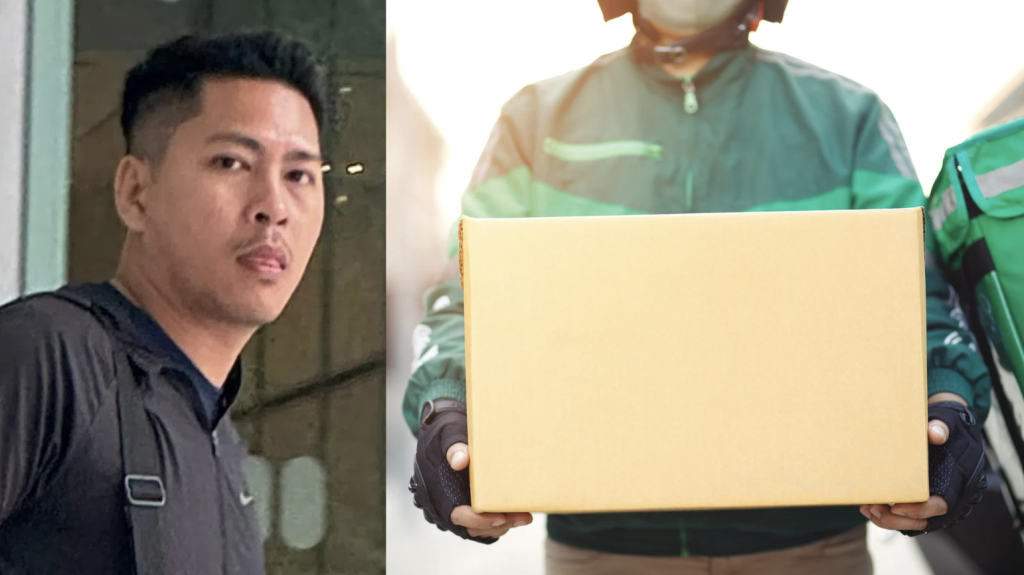
Image credit: Yang Liang Er, rattanakun
Four men worked together to cheat the system
As reported by The Straits Times, the four men were accused of collaborating to set up fake accounts on ride-hailing platform Grab and submitting fraudulent claims, allegedly causing the company to lose more than SGD 58,000 (RM 179,173) in total.
In a statement on Nov 27, the police said a report was lodged by Grab Singapore on July 16 after the firm uncovered numerous suspicious bookings made between May and July.
A police spokesperson said the earnings from these bookings were credited to registered Grab wallets despite no actual trips being carried out.
The four Singaporeans — Alex Wang Xiang Yi, 30; Lee Yong Ze, 30; Loh Jing Jie, 33; and Dzulqarnain Muhamad, 35 — were charged with multiple counts of cheating on Nov 28.
Wang faces 31 charges, the highest among the group. He is accused of deceiving GrabTaxi Holdings into believing he had completed 109 rides between June 1 and 16. Court documents state that more than SGD 1,600 (RM4,942) was subsequently transferred to a wallet on the platform.
In addition to cheating offences linked to Grab, Wang also faces unrelated charges, including forgery. On or around Aug 13, 2021, he allegedly forged an invoice purportedly issued by an automobile company and submitted it to another individual for payment.
Lee faces nine cheating charges, while Loh and Dzulqarnain each face three. All three are said to have used a similar scheme to defraud Grab.
Grab does not cross-check personal photo used for registration against their national ID
Under Grab Singapore’s application process, individuals who wish to become drivers must submit an application along with a photo of their identity card or verify their identity via Singpass, and upload a personal photograph to their account. Once approved, they can log in using facial recognition technology.
Grab does not cross-check the applicant’s personal photo against their identity card or Singpass records, and drivers are allowed to change their profile photo at any time. However, each applicant is permitted to register only one account.
Grab also offers a courier service. After picking up an item, if a delivery cannot be completed, drivers can indicate in the app that the item has been returned to the sender or dropped off at a Grab driver centre. Grab will still credit an “attempted delivery fee” into the driver’s e-wallet.
One of the drivers was recently charged for fraudulently obtaining RM41,920 from Grab
One of the drivers exploited loopholes in Grab’s procedures by borrowing multiple accounts and, over a span of two months, accepted more than 1,000 delivery orders. He then falsely claimed that the deliveries were unsuccessful and that the parcels had been returned, fraudulently obtaining SGD 13,565.20 (RM41,920) in delivery fees from Grab.
The accused, Dzulqarnain (35), faced three cheating charges. On Friday (Feb 27), he pleaded guilty to two of them. The case has been adjourned to March 27 for sentencing.
Timeline of how the accomplices met
The accused met his accomplice, Wang Xiangyi (transliterated), in April or May 2025 while they were working temporary jobs at online supermarket RedMart. Wang informed him of the loopholes in Grab’s system.
The accused already had a Grab account. From May 24, 2025, he began exploiting the loophole by accepting orders under the GrabExpress service and immediately marking the parcels as returned in the app. In reality, he neither collected the items nor carried out any deliveries, but falsely claimed the “attempted delivery fee.”
Wang also provided him with contact details of other Grab drivers whose accounts could be borrowed for the scheme. After arranging to meet one of them, the other driver logged into his Grab account using the accused’s phone. The accused then replaced the profile photo with his own, logged in via facial recognition, and linked the driver’s Grab e-wallet to his personal bank account.
The individual who lent his account later introduced another person, who also allowed the accused to use his account.
Between May 24 and July 11, the accused used this method to make Grab believe he had carried out 1,054 attempted deliveries, fraudulently obtaining $13,565.20 (RM 41,920). He shared part of the proceeds with those who lent him their accounts.
Follow Wah Piang for more.