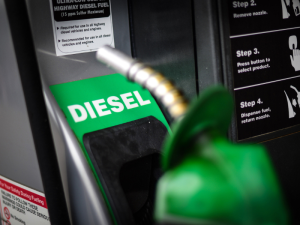
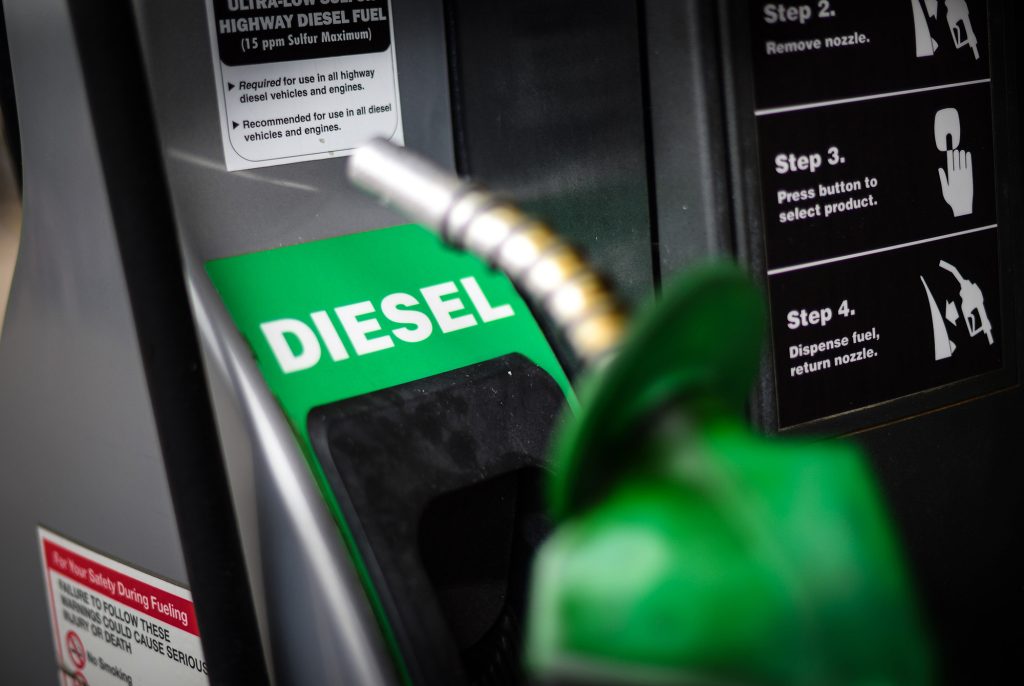
The price of diesel fuel in countries across the world, including Malaysia, is rising rapidly. The main cause of this increase is the rising conflict in the Middle East.
Diesel costs are driving up worldwide
1. Supply shock
- The biggest driver of rising diesel prices is a sudden global supply shock.
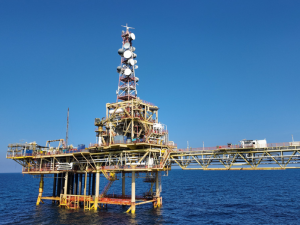
- The ongoing conflict involving Iran and major powers has targeted Middle East energy infrastructure, doing damage to gas fields, oil refineries, and terminals that industry representatives say will take years to repair.
- International Energy Agency has already called the worst global energy disruption in history.
- According to Reuters, the conflict has removed about 400 million barrels (about four days of world supply) from the market, triggering price increases of approximately 50%.
Since diesel is derived from crude oil, any disturbance in the crude oil supply automatically increases the diesel prices.
2. Closure of Strait of Hormuz
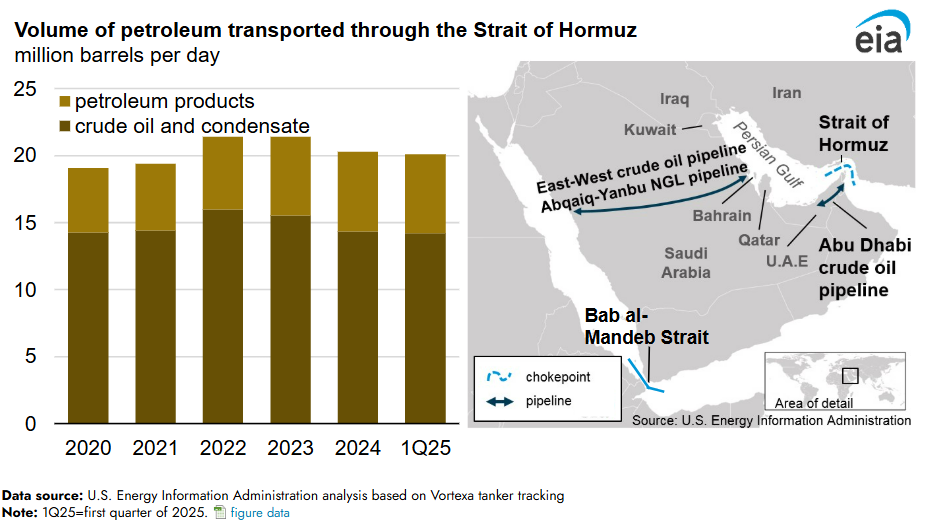
- Another major factor is the Strait of Hormuz Disruption, which is considered one of the major oil routes in the world.
- On average, 20 million barrels of oil per day (roughly 20-25% of global consumption) flows through it, and very few alternative options exist to move oil out of the strait if it is closed.
- Strait of Hormuz disruptions could result in 3-4 million bpd of diesel supply loss, or roughly 5% to 12% of total global consumption, energy economist Philip Verleger estimated.
- 500,000 bpd of diesel will be lost due to blocked exports from Middle East refiners.
- As a result, diesel prices have risen much faster compared to oil and gasoline, and could roughly double at the retail level if the Strait of Hormuz is closed for a prolonged time.
- However, there are signs that the Strait of Hormuz is about to reopen, and Malaysia is actively engaging in high-level diplomacy to de-escalate the crisis and safeguard energy routes vital to its economy.
3. Diesel is more sensitive than petrol
- Diesel fuel is widely used in our daily life, from heavy-duty transportation, construction, shipping, agriculture, and to trucks, buses and tractors.
- Diesel inventories have remained in tight supply globally due to heavy demand for heating and power generation, and a structural shortage of refining capacity.
- The tightness in the market has made diesel more sensitive to the conflict in the Middle East than other fuels.
This is why diesel prices tend to increase more during geopolitical conflicts.
4. Rising transportation costs
- The Middle East conflict doesn’t just reduce supply, it also raises the cost of moving fuel.
- Shipping routes become longer to avoid conflict zones, security risks slow down deliveries.
Why Malaysia is affected
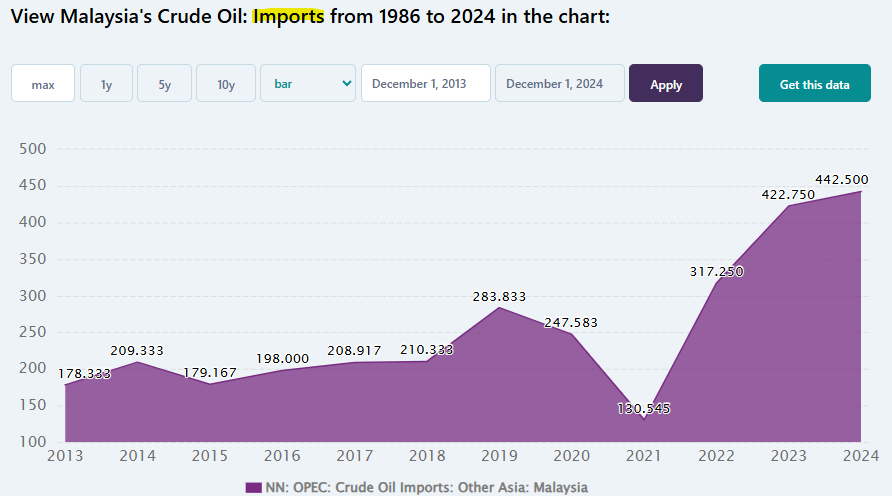
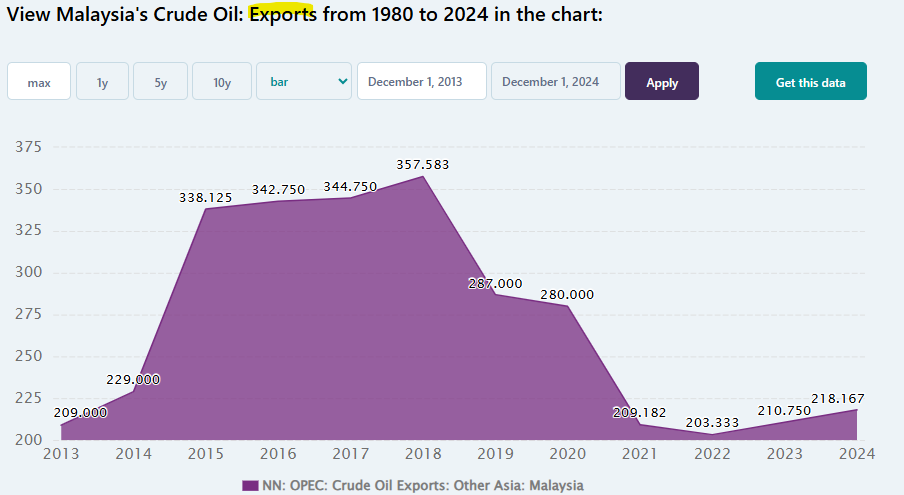
Malaysia sells its high quality oil that often fetches higher prices in international markets with high demands, while importing cheaper heavy crude oil which is better suited for domestic refineries. This allows the country to optimize its configurations and increase profits.
According to data from the Department of Statistics Malaysia (DOSM) 2025, Malaysia exported RM170 billion worth of O&G products (crude petroleum, refined petroleum, LNG), and imported RM152 billion worth of O&G products, making Malaysia a net exporter by RM18 billion.
Therefore, despite the fact that Malaysia is an oil-producing country, the country still needs to import more oil than it exports leaving us exposed to global price fluctuations.
- Fuel prices in Malaysia are closely linked to global benchmarks. Crude oil and refined fuel prices are determined in international markets, not locally.
- While Malaysia produces crude oil, it does not refine enough diesel domestically to meet total demand and imports a portion of its diesel.
- Malaysia uses regional pricing references such as the Mean of Platts Singapore (MOPS) to determine fuel prices.
- When global diesel prices surge, subsidy costs increase sharply, the government may reduce or restructure subsidies leads to higher diesel costs to consumers.
Diesel subsidy in Malaysia
Malaysia government no longer gives blanket fuel subsidies to everyone. Instead, it implemented targeted diesel subsidy schemes (Budi Madani) to those who need it most while reducing waste and government costs.
Under the Budi Madani policy:
- The government removed broad subsidies on diesel that previously applied to all fuel users.
- Strictly for registered Malaysian businesses that play a crucial role in our country’s supply chain and public services.
- Diesel vehicle owners who are eligible based on a given set of criteria can apply under the BUDI Individu category, whereas agriculture and commodity smallholders may apply under the BUDI Agri-Komoditi category.
- Those eligible for Budi Madani Diesel cash assistance will get RM300 effective for the month of March 2026.

To apply and learn more about the Budi Madani’s eligibility criteria, can visit https://budimadani.gov.my, or for assistance, contact the Budi Madani helpline at 1-800-88-2747 / 03-8882 4565 / 03-8882 4566 or e-mail: [email protected]. Assistance and further information can also be sought at all LHDNM offices in Peninsular Malaysia.
Follow Wah Piang for more.