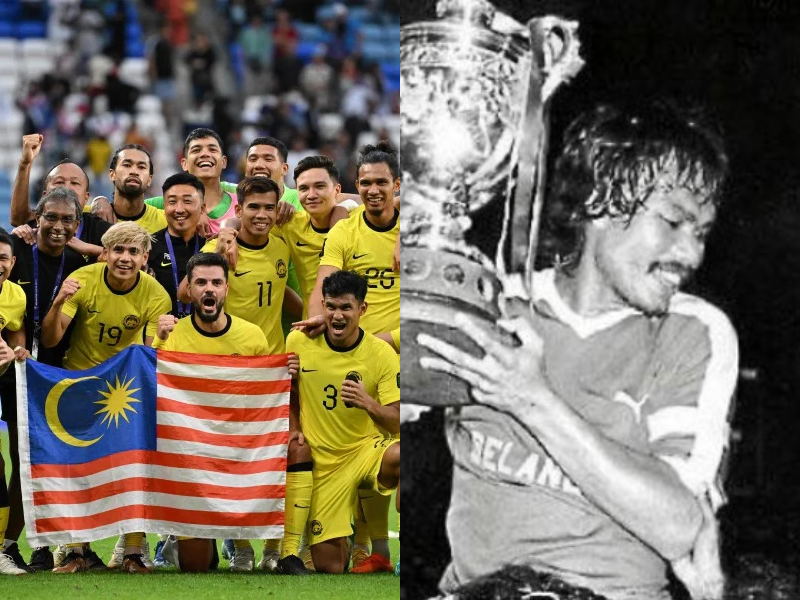
Malaysia’s hopes of qualifying for the 2026 FIFA World Cup came to an end after Harimau Malaya finished third in Group D of the World Cup Asian qualifiers, despite beating Taiwan 3-1 in their final match. That said, the results obtained placed them behind Oman and Kyrgyzstan.
The result once again highlighted Malaysia’s long-standing struggle to progress beyond the early stages of World Cup qualification.
Struggling to keep pace in Asia
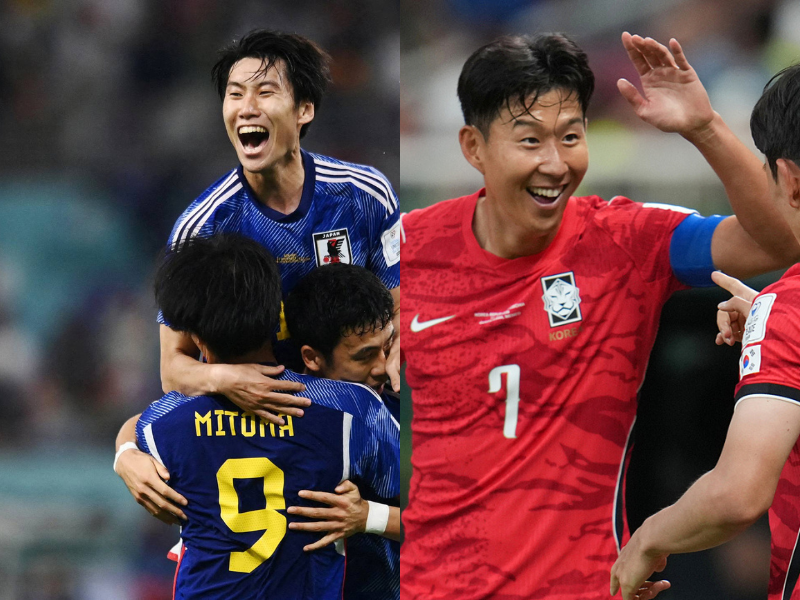
Japan and South Korea have established themselves as regular World Cup participants, with players competing in top European leagues. Meanwhile, Malaysia remains outside the continent’s elite tier, despite occasional progress in regional competitions.
Southeast Asian rivals such as Vietnam, Thailand and Indonesia have also made notable improvements through long-term football development structures.
Despite seeing vast improvements over the years, the question remains. Why can’t Malaysia compete with Asia’s football giants?
Here are the biggest challenges holding Harimau Malaya back:
Structural challenges highlighted
Football analysts and development observers have frequently pointed to several long-term issues affecting Malaysian football:
- Inconsistent grassroots and youth development pathways
- Limited competitive minutes for young players at club level
- Frequent changes in coaching and management structures
- Gaps in long-term planning and continuity
These factors have contributed to ongoing difficulties in producing players capable of competing consistently at international level.
Development gap compared to regional leaders
Countries like Japan and South Korea are often used as examples of long-term football planning.

Japan’s structured youth system and league development, alongside South Korea’s disciplined coaching pipeline, have helped both nations become regular World Cup participants.
In contrast, Malaysia continues to work on aligning its school football system, academies, professional clubs and national setup into a more unified pathway.
Reports & controversies surrounding governance
In recent years, Malaysian football has also faced public scrutiny over administrative and eligibility matters involving naturalised and heritage players. While such recruitment strategies are common globally, discussions in Malaysia have focused on long-term sustainability and governance transparency.
Consequently, these irregularities led to official international sanctions, including a 350,000 Swiss Franc fine for the national association and 12-month competitive bans handed down by FIFA and upheld by the Court of Arbitration for Sport (CAS).
The golden era of Malaysian football
There was a time when Malaysia was not chasing World Cup qualification, but was instead considered one of Asia’s respected football sides.
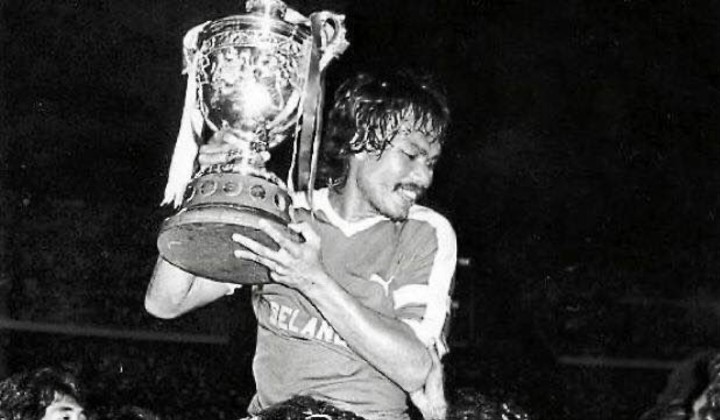
During the 1970s and early 1980s, Malaysian football experienced what is widely regarded as its golden era, led by legendary figures such as Mokhtar Dahari, Soh Chin Aun, James Wong and R. Arumugam.
Mokhtar Dahari, often referred to as “Supermokh”, remains one of the most iconic players in Asian football history. He scored 89 goals for Malaysia in international ‘A’ matches, making him one of the highest international goalscorers in the world at the time.
Malaysia also achieved notable success during this period, including:
- Qualification for the 1972 Munich Olympics
- Asian Games bronze medal in 1974
- Multiple strong regional tournament performances, including the Merdeka Tournament
At its peak, Malaysia was regarded as a competitive force in Asia, regularly facing strong opposition from teams like South Korea, Japan and Iran.
However, that level of consistency gradually declined in the following decades as regional football standards evolved rapidly.
The bigger picture
Despite setbacks, Malaysia’s ambition to reach the World Cup remains alive.
However, observers say progress will depend on long-term reforms in grassroots development, governance structure, coaching education and professional club management.
For now, Malaysia remains outside football’s global stage, with the focus shifting back to rebuilding and strengthening the domestic system. The challenge is no longer just about qualification, but whether the foundations of Malaysian football are strong enough to support that dream in the future.
Follow Wah Piang for more.