Seven out of 14 problematic investments identified by the Royal Commission of Inquiry (RCI) into Tabung Haji suffered 100% losses, contributing to nearly RM13 billion in losses absorbed by the government and the pilgrimage fund.
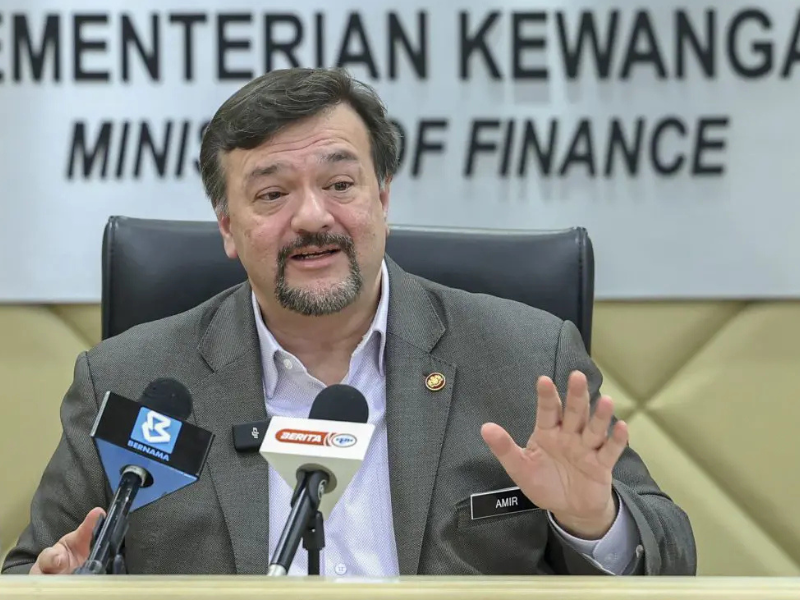
Finance Minister II Datuk Seri Amir Hamzah Azizan revealed the figures in the Dewan Rakyat while winding up the special debate on the RCI report today.
Of the estimated RM13 billion in losses, RM10.2 billion came from the government’s 2018 bailout through Urusharta Jamaah Sdn Bhd (UJSB), while another RM2.6 billion in impairments and net losses was borne by Tabung Haji between 2018 and 2025 for problematic investments that remained under its management.
“Seven out of the 14 investments suffered 100 per cent losses. Not part of them, but total losses,” Amir said.
RCI found more than just bad investment decisions
Amir said the losses could not simply be blamed on stock market fluctuations.
According to the RCI findings, several investments involved irregular processes, manipulated investment suitability reports, misleading representations, concealed information and creative accounting practices.
“These are not merely accounting issues because the financial statements only show the symptoms. The root cause is financial and investment misconduct,” he said.
RM1.86 billion lost in Al-Raudhah Hotel deal
One of the cases highlighted was Al-Raudhah, a Saudi Arabian hotel leasing arrangement intended to provide accommodation for pilgrims in Makkah and Madinah.
Tabung Haji paid RM1.55 billion upfront to an intermediary to secure four hotels, with the intermediary supposed to operate them and return RM2.49 billion in rental payments. However, the promised payments never materialised.
The risk management department had requested a bank guarantee, but Al-Raudhah failed to provide one. The due diligence report was also incomplete, yet the transaction proceeded largely based on a personal promissory note.
The investment was eventually fully impaired at RM1.86 billion in 2024.
Putrajaya perdana stake bought above internal valuation
Another case involved Tabung Haji’s 30% stake in Putrajaya Perdana, which it bought for RM193.3 million in December 2014.
The investment was based on expectations that the company would be relisted within a year and make RM86 million in profit in 2015.
Neither target materialised.
Amir said the RCI also found that the then Tabung Haji chairman was simultaneously the chairman of Putrajaya Perdana.
Tabung Haji’s research division had initially valued the 30% stake at between RM124 million and RM155 million, but the investment was eventually approved at around RM193.5 million, without written justification for the higher valuation.
The entire investment was impaired by the 2024 financial year.
Offshore patrol vessel project also flagged
Amir also highlighted the offshore patrol vessel project involving Tabung Haji Heavy Engineering (THHE).
The government awarded the project in 2017 at RM738.9 million, but a forensic audit later identified RM48.1 million in irregularities, along with another RM195 million in potential irregularities that remained under investigation.
Only one of the three vessels was completed, with the first delivered in January 2024, around three-and-a-half years later than scheduled. The remaining two vessels were terminated by mutual agreement in December 2024.
Completing the vessels was estimated to require another RM310 million, around 40% more than the original project cost.
RM2.8 billion plantation sale raised questions
Another case involved the sale of 95% of PT TH Indo Plantations in Indonesia for about US$910 million, or RM2.8 billion.
Amir said the deal’s terms were later relaxed in favour of the buyer, including a US$100 million reduction in the sale price. The shares were transferred before full payment was received, while Tabung Haji later advanced another US$178.6 million (about RM540 million) that should have been paid by the buyer.
The funds were understood to have been used to repay the company’s debt.
Tabung Haji has since lodged a police report and initiated disciplinary proceedings against four officers over the transaction.
RM364 million plantation investment fully impaired
The RCI also highlighted True Rich Resources, a palm oil plantation joint venture in Kalimantan.
Tabung Haji invested RM364.31 million, but the entire investment was eventually impaired.
The joint venture initially aimed to acquire up to 200,000 hectares of plantations but ultimately obtained only 4,880 hectares.
The RCI reported allegations that a land suitability report had been manipulated to support the land’s potential.
A Tabung Haji board member lodged a police report over alleged irregularities in the acquisition on December 13, 2018.
The disposal of True Rich’s subsidiaries was approved in December 2020, with the company currently undergoing the disposal process.
“This cannot be simply bad investment luck”
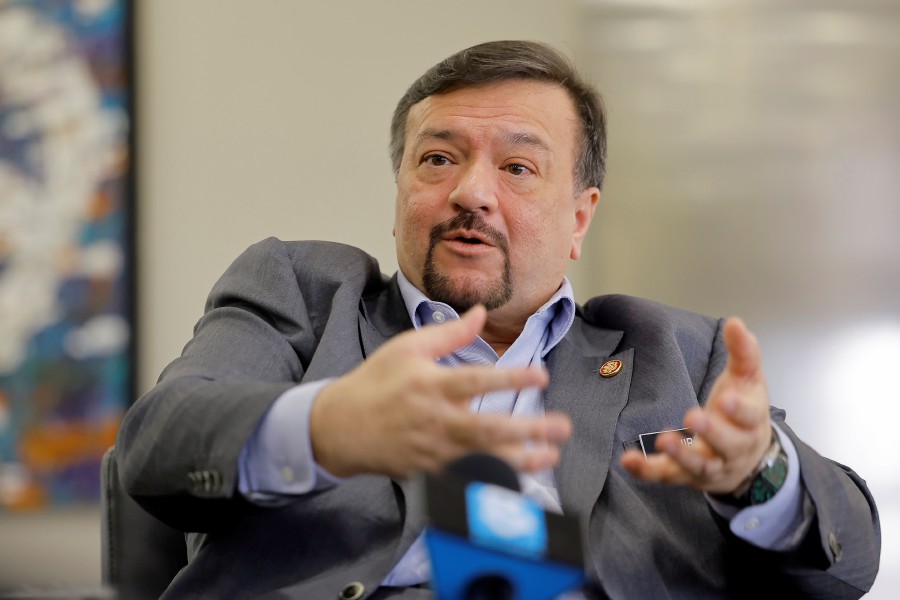
Amir said the cases pointed to a recurring pattern in Tabung Haji’s investment failures.
He cited examples including large upfront payments without adequate collateral, companies failing without guarantees, shares being transferred before full payment and project funds being diverted.
“This cannot be regarded as simply bad investment luck,” he said.
The RCI also found that four investments had not undergone the required due diligence, while recommendations from Tabung Haji’s risk management department were not properly addressed.
Follow Wah Piang for more.