Artificial intelligence (AI) has become a popular tool for businesses to create promotional materials, especially food advertisements. However, one restaurant’s AI-generated food poster recently received the opposite reaction, instead of making people hungry, it left many netizens feeling uncomfortable.
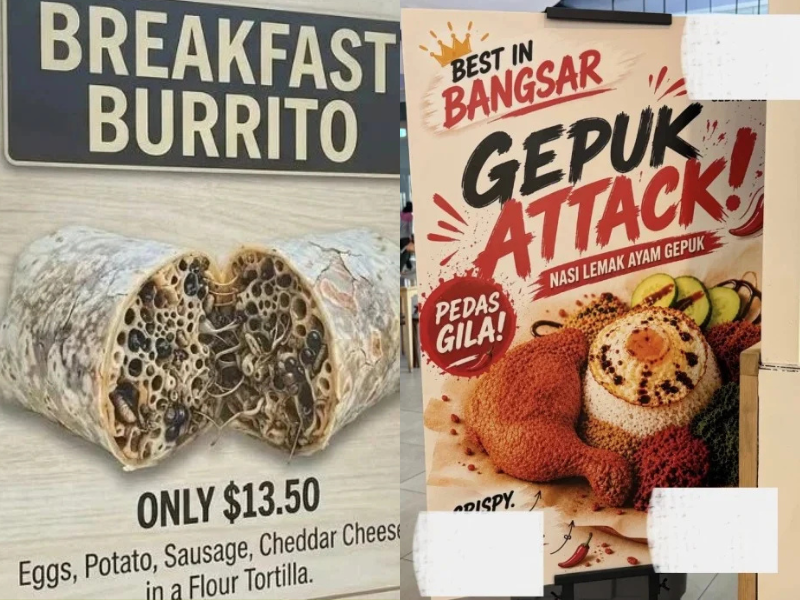
A social media user recently shared an AI-generated advertisement from a nasi lemak restaurant in Bangsar, Kuala Lumpur, which was meant to promote its signature spiced fried chicken nasi lemak.
Food looked “unreal” and unappetising
In the promotional image, the fried chicken appeared to have unusual textures covering its skin, while the nasi lemak had strange-looking patterns that some netizens compared to “insect eggs”.
The fried egg in the image also appeared to have dark spots, making it look as if it was mouldy.
The post quickly went viral, with the uploader joking that whether someone loved or disliked spiced fried chicken, they would probably be left speechless after seeing the advertisement.
Not the first AI food advertisement fail
Following the viral post, other netizens also shared similar examples of AI-generated food advertisements that went wrong.
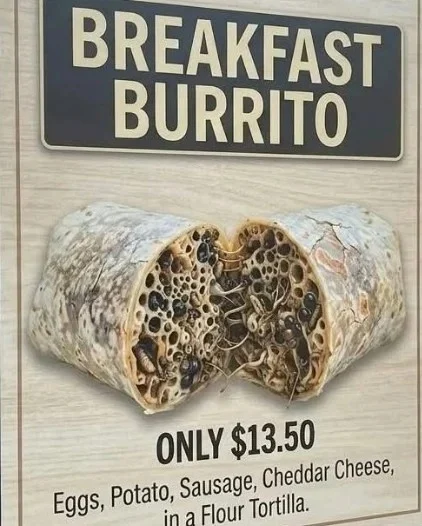
One example showed a Mexican wrap that was supposed to contain ingredients like egg, potato, sausage and cheese. However, the AI-generated image created a strange texture that looked almost like lotus root strands, with black spots covering the surface.
Netizens question the use of AI in food content
The incident also sparked discussions among netizens, with some criticising the growing use of AI-generated images and videos in food-related content.
One user said some cooking and baking tutorials are now using AI-generated videos and photos instead of actual filming or editing, making the content feel unrealistic and lacking sincerity.
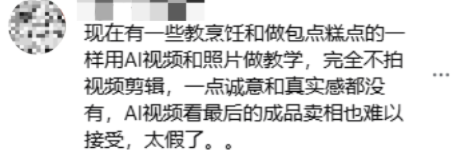
“The final product shown in the AI image also looks unappetising and hard to accept. It’s too fake,” the commenter wrote.
Another netizen pointed out that the issue was not with AI itself, but with the lack of human checking before the content was published.

“It’s not AI’s fault, it’s the human reviewing that has an issue,” the comment read.
Many pointed out that while AI can help businesses create promotional materials at a lower cost, the technology can still produce unrealistic details that may affect how customers perceive the food.
As AI-generated images become more common in marketing, these cases serve as a reminder that businesses should still carefully review AI creations before using them for advertisements.
Follow Wah Piang for more.