The Budget MADANI 2027 proposals include higher cash assistance, individual tax relief measures, first-home stamp duty exemptions and expanded protections for gig workers, as the government focuses on easing living costs.
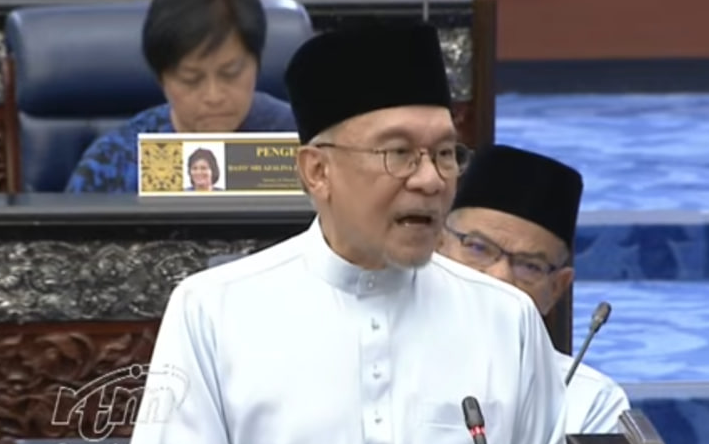
Malaysia’s minimum wage will increase from RM1,700 to RM2,000 a month from June 2027, while the government will raise allocations for cash assistance and expand tax relief measures under Budget MADANI 2027.
Prime Minister and Finance Minister Datuk Seri Anwar Ibrahim announced the measures when tabling the 2027 Budget in Parliament on Friday, outlining a series of initiatives aimed at easing the cost of living, improving workers’ incomes and expanding access to affordable housing.
The government has allocated RM16 billion for the Sumbangan Tunai Rahmah (STR) and Sumbangan Asas Rahmah (SARA) programmes in 2027, up from RM15 billion this year.
Here are the key announcements that could affect Malaysians.
1. SARA assistance increased, with up to RM1,800 annually for STR recipients
The government will increase the 2027 STR-SARA allocation to RM16 billion.
Under the announcement:
- STR recipients will receive SARA assistance of up to RM150 a month, or RM1,800 a year, benefiting up to nine million recipients.
- Malaysians aged 18 and above who are not STR recipients will receive RM100 in SARA MADANI assistance on two occasions — before Hari Raya Aidilfitri and ahead of the country’s 70th Merdeka anniversary celebrations.
- The additional SARA MADANI payments are expected to benefit up to 13 million Malaysians, including those in the M40 income group.
- SARA can also be used to purchase fresh and wet food at 216 FAMA-operated farmers’ markets and tamu nationwide.
The government also plans to increase the number of participating small grocery shops from 6,800 to 10,000 before the end of 2026.
2. Minimum wage to rise to RM2,000 from June 2027
Malaysia’s minimum wage will increase from RM1,700 to RM2,000 a month, effective June 2027.
The government estimates that more than four million workers will be covered by the new minimum wage rate. However, micro, small and medium enterprises (MSMEs) with annual sales below RM50 million are exempted under the announced measure to allow time for business adjustments.
A separate minimum salary framework of RM2,500 a month will also be introduced for semi-skilled workers and graduates as a starting point.
Meanwhile, government-linked investment companies and government-linked companies have committed to raising their living-wage benchmark from RM3,100 to RM3,400 a month, benefiting approximately 230,000 workers.
3. Individual taxpayers to receive expanded tax relief
The government will increase the individual tax relief limit from RM9,000 to RM12,000.
Resident individual income tax rates will also be reduced by one percentage point for the following chargeable income brackets:
- RM70,000 to RM100,000: reduced to 18%.
- RM100,000 to RM150,000: reduced to 24%.
Additional tax relief will cover several areas, including:
- Postnatal care services.
- Broader expenses for caring for parents and grandparents, beyond healthcare alone.
- Sports equipment, including sports shoes.
- Education and skills courses across all fields, as well as children’s tuition.
- Artificial intelligence subscriptions.
- Vaccination and adoption costs for pets adopted through registered centres.
The government estimates that the higher relief limits and lower tax rates could provide up to RM1,600 in additional disposable income for approximately five million taxpayers.
For high-income earners, the tax rate for individuals earning more than RM1 million will be adjusted to 30%.
4. RM750 million allocated for Rahmah and Agro MADANI sales
The allocation for Jualan RAHMAH MADANI and Jualan Agro MADANI will increase from RM630 million to RM750 million.
The government is targeting 35,000 programmes nationwide, comprising 30,000 Jualan RAHMAH events and 5,000 Jualan Agro MADANI events.
Jualan Agro MADANI will offer fresh produce, including fish, chicken, vegetables and fruit, at prices up to 30% lower.
The government will also allocate RM250 million to expand the distribution of essential goods in rural and remote areas, including six new locations.
Overall, subsidies, assistance and incentives are expected to exceed RM80 billion in 2027. Fuel subsidies are projected to remain high at RM40 billion, while Department of Social Welfare assistance will receive nearly RM3.3 billion.
5. First-time homebuyers to receive stamp duty exemptions
The government plans to introduce full stamp duty exemptions on loan agreements and property transfer instruments for first homes priced at up to RM500,000.
For first homes priced up to RM750,000, the proposed relief will cover the first RM500,000 in full, with a 50% exemption on the remaining amount.
The measures will apply to sale and purchase agreements completed between Jan 1, 2027, and Dec 31, 2030.
The government will also provide nearly RM1 billion for housing programmes, including Rumah Mesra Rakyat and Program Residensi Rakyat.
Separately, the Syarikat Jaminan Kredit Perumahan (SJKP) will provide housing financing guarantees of up to RM20 billion, with the initiative expected to assist 80,000 first-time homebuyers, particularly self-employed individuals without fixed incomes.
6. RM160 million package to support e-hailing and p-hailing workers
The government and Grab will jointly fund a RM160 million package beginning in 2027 to improve the net earnings and welfare of e-hailing drivers and p-hailing delivery riders.
The package will include measures covering minimum earnings, vehicle maintenance costs, insurance and Social Security Organisation (PERKESO) contributions.
The government estimates that median-level e-hailing drivers could see their net income increase by up to RM227 a month, while p-hailing riders could receive an increase of up to RM100 a month.
Additional measures include:
- A 35% PERKESO matching contribution incentive for e-hailing and p-hailing workers, rising to 50% if platform companies also contribute.
- A 70% PERKESO matching contribution incentive for more than 200,000 self-employed workers across 17 sectors where coverage is not mandatory.
- EPF matching contribution incentives of up to RM600 annually, subject to a lifetime limit of RM6,000, for e-hailing and p-hailing workers.
- Automatic EPF registration for Malaysian citizens when they turn 18, to encourage earlier retirement savings.
A framework covering minimum earnings and social protection standards for gig workers is expected to be finalised in early 2027.
7. Rural infrastructure to receive RM3.3 billion

The government will allocate RM3.3 billion for rural basic infrastructure, including village roads, street lighting, community facilities, clean water and electricity.
Funding for rural road projects will rise to RM2.3 billion.
A further RM2.5 billion will be channelled into the national non-revenue water programme, which aims to replace 1,900km of critical ageing pipes.
Under the JENDELA connectivity initiative, the government will also work towards extending 4G coverage to all Orang Asli villages and improving internet connectivity along selected roads and railway lines.
These measures are intended to improve access to essential services and connectivity for communities outside major urban centres.
8. Affordable housing and support for urban communities
Beyond first-homebuyer assistance, the government will allocate nearly RM1 billion for housing initiatives, including four new housing projects in Kulai, Johor; Nilai, Negeri Sembilan; Paya Rumput, Melaka; and Lembah Pertang, Terengganu.
The government will also introduce the Komuniti Angkat MADANI initiative in 2027, backed by RM50 million, to support urban People’s Housing Programme (PPR) communities.
The programme will provide skills training, shared kitchens, business equipment and other assistance intended to help residents increase their income.
In addition, more than RM100 million will be allocated to upgrade infrastructure in Chinese new villages, while RM80 million will be provided for the maintenance of registered non-Muslim places of worship.
9. Small traders to receive rental relief in Kuala Lumpur
More than 10,000 small traders renting premises under Kuala Lumpur City Hall (DBKL) will receive a 50% rental discount throughout 2027.
The measure covers traders operating in public markets, food courts and hawker centres.
Rental rates for festive bazaars will also start from RM400, according to the budget speech.
Separately, nearly RM700 million will be allocated for small local-authority projects, including upgrades to public parks, toilets and hawker facilities.
10. Targeted measures for states and regional development
The budget also outlines infrastructure and economic initiatives across several states.
Among the announcements are:
- Penang: A RM100 million strategic investment fund, established by Khazanah and InvestPenang, to support early-stage semiconductor and advanced manufacturing companies.
- Johor: Plans to implement an elevated autonomous rapid transit system known as e-ART, alongside expanded bus services and increased KTM Komuter frequency ahead of the opening of the RTS Link.
- Sabah and Sarawak: Federal allocations of RM18.7 billion and RM16.2 billion respectively in 2027, alongside RM3.3 billion for road projects in both states.
- Klang Valley: RM100 million for retention ponds and river maintenance to help reduce flash-flood risks.
- Kelantan: Planning for the Lebir Dam project, alongside ongoing work on the Machang water treatment plant and ageing water pipes.
The government also plans to expand scholarship opportunities for students from Sabah and Sarawak, doubling the number of Public Service Department scholarship offers to 4,200 students annually.
11. RM47.7 billion allocated for healthcare, with over 9,000 contract doctors to receive permanent posts
The Ministry of Health’s allocation will increase to RM47.7 billion in 2027, up from RM46.5 billion this year, with measures aimed at improving healthcare services and reducing waiting times.
More than 9,000 contract doctors will be offered permanent positions in 2027. The government said it had appointed more than 15,000 contract doctors permanently since 2023.
Other healthcare measures include:
- RM200 million to expand outsourcing arrangements for patients to receive treatment at other hospitals, including private healthcare facilities.
- RM1.2 billion for the maintenance and refurbishment of public hospitals and clinics.
- More than RM770 million for modern medical equipment, including upgraded haemodialysis facilities and 400 new ambulances.
- RM60 million for the Medical Assistance Fund, up from RM40 million.
- Continued coverage under the MySalam scheme in 2027.
The government will also introduce the MediAsas basic medical insurance plan from January 2027, offering coverage at affordable prices.
Employees’ Provident Fund (EPF) members below 55 will be allowed to use their Sejahtera Account to pay MediAsas premiums. For small and medium-sized businesses with fewer than 75 employees, the government will subsidise the first-year premium by RM200 per employee, covering up to 50 employees per company.
The subsidy is expected to benefit up to 200,000 workers.
12. School assistance increased to RM200 per student
Families preparing for the 2027 school year will receive higher financial assistance, with the Bantuan Awal Persekolahan payment increased from RM150 to RM200 per student.
The programme is expected to benefit 5.3 million students, supported by a RM1 billion allocation.
Under the new rate, a family with four school-going children will receive RM800 in school assistance.
The Education Ministry will receive nearly RM69 billion in 2027, up from RM66.2 billion this year, making it the ministry with the largest allocation.
The government will also double the allocation for the repair and maintenance of all types of schools from RM1 billion to RM2 billion.
This includes:
- RM900 million for national schools.
- RM100 million for Chinese national-type schools.
- RM50 million for Tamil national-type schools.
- RM200 million for registered people’s religious schools, tahfiz institutions and pondok schools.
A further RM1.3 billion will be allocated to upgrade 682 dilapidated schools, particularly in Sabah and Sarawak.
13. Form Six students to receive RM2,500 living allowance
Form Six students will receive a living allowance of RM2,500, matching the rate provided to matriculation students.
The measure is expected to benefit 90,000 students.
The government will also allocate RM870 million for the Supplementary Food Programme, which is expected to benefit more than 800,000 students.
Separately, 3,500 additional classrooms are expected to be completed by the end of 2026 to accommodate the growing number of Year One pupils.
14. PTPTN borrowers earning RM2,500 or less can defer repayments
National Higher Education Fund Corporation (PTPTN) borrowers earning RM2,500 or less a month will be allowed to defer their loan repayments in 2027.
Borrowers earning between RM2,500 and RM3,000 a month will be required to make minimum repayments of RM50.
The measures are expected to benefit more than 400,000 borrowers.
The government will also offer a 10% discount to borrowers who have no outstanding arrears and make repayments regularly.
Employers who repay PTPTN loans on behalf of their employees will be eligible for tax deductions on payments made between Jan 1, 2027, and Dec 31, 2028.
For students facing rising living costs, the government will expand the Dapur Siswa MADANI programme to polytechnics and teacher education institutes, with RM20 million allocated to provide cooking equipment, food supplies and meals priced at RM5.
The FlySiswa MADANI airfare assistance will also increase from RM400 to RM500, benefiting more than 60,000 public higher education students.
15. My50 pass retained, new MyKomuter50 pass to benefit 40,000 commuters
Public transport users in the Klang Valley will continue to benefit from the My50 travel pass, which serves approximately 300,000 bus and rail users under Prasarana.
A new MyKomuter50 pass will be introduced for KTM Komuter users, with 40,000 commuters expected to benefit. The government estimates that users could save an average of up to RM160 a month.
Free travel passes will also be provided to 360,000 school students, persons with disabilities (OKU) and children below six years old.
To improve rail reliability, Prasarana will invest more than RM3.4 billion in a comprehensive recovery programme, while the government will acquire 42 new train sets for ETS and KTM Komuter services.
The government will also allocate RM270 million to improve stage bus services in major cities, including connections to 15 stations along the East Coast Rail Link (ECRL).
16. Support for senior citizens and persons with disabilities increased
The government will increase allocations for senior citizen assistance to RM1.3 billion in 2027, benefiting nearly 200,000 recipients.
The service tax on elderly care services will also be reduced from 8% to 6% from Jan 1, 2027. A full exemption will apply to care fees of up to RM96,000 annually.
A proposed Senior Citizens Bill will be drafted to address neglect and strengthen the country’s elderly care system.
For persons with disabilities, total assistance allocations will increase to RM1.5 billion, benefiting more than 300,000 people.
Other measures include:
- Monthly assistance for bedridden persons with disabilities and chronic patients increased from RM500 to RM600.
- The income threshold for the Disabled Workers Allowance increased from RM1,700 to RM2,000.
- The allowance for students with special educational needs increased from RM150 to RM200 a month.
- The teaching incentive for special education teachers increased from RM250 to RM300 a month.
- Two new Permata Kurnia centres will be built in Melaka and Pahang to provide education, support and training for autistic children.
More than 130 new Tabika Tunas Istimewa classes will also be opened in rural areas to improve early support for autistic children from lower-income families.
17. Bankruptcy threshold raised to RM150,000
The government will raise Malaysia’s bankruptcy threshold from RM100,000 to RM150,000 from 2027.
The move follows government efforts that have helped more than 250,000 Malaysians exit bankruptcy since 2023.
The government’s Peluang Kedua Prihatin policy will also be expanded to cover primary caregivers of family members with disabilities, chronic illnesses and elderly dependants, as well as gig workers and individuals with irregular incomes.
Eligible bankrupt individuals may also benefit from automatic discharge provisions, including discharge as early as three years under Section 33C of the Insolvency Act, subject to the applicable conditions.
18. RM2.62 billion in assistance for paddy farmers
The government will allocate RM2.62 billion in assistance to paddy farmers, with support estimated at approximately RM4,300 per hectare through measures including seed, fertiliser and pesticide subsidies, ploughing assistance and paddy price support.
The paddy harvesting incentive will increase from RM50 to RM100 per hectare per season.
The ploughing incentive, previously raised to RM300, will be maintained and extended to paddy farmers in Sabah and Sarawak.
A further RM20 million will be allocated to provide foliar fertiliser for more than 10,000 hectares of paddy fields.
The government is also continuing its Five Paddy Crops in Two Years initiative, aimed at strengthening domestic rice production and food security.
19. Fishermen and smallholders to receive expanded assistance
The government will expand the special boat licence scheme to cover 20,000 fishermen, up from 17,000, with an allocation of RM30 million.
Eligible fishermen will continue to receive subsidised diesel at RM1.65 per litre. A further RM178 million will support measures including catch incentives and living allowances of up to RM300 a month.
For rubber smallholders, the Rubber Production Incentive will increase from RM3 to RM3.30 per kilogram, benefiting more than 300,000 smallholders.
The government will also double funding for plantation road repairs to RM100 million.
Separately, RM100 million in hybrid financing will support the replanting of oil palm trees for 4,500 smallholders, while another RM200 million in financing will be made available for replanting costs, with repayment deferred for four years under the announced scheme.
20. Disaster home repair assistance doubled to RM10,000
The government will increase financial assistance for repairing homes damaged by disasters from RM5,000 to RM10,000.
The National Disaster Management Agency will receive RM260 million in 2027.
New flood mitigation projects will include works in Kuching, Sarawak; Sungai Golok Phase Two in Kelantan; and Sungai Kemaman in Terengganu.
Nearly RM320 million will also be allocated to repair and upgrade slopes, drains and public drainage infrastructure nationwide.
The measures are intended to strengthen disaster preparedness and support affected households.
21. RM200 million grant programme to support 40,000 recipients, particularly women
The government will introduce the Geran Sejahtera MADANI programme, providing RM200 million in grants for equipment and training to 40,000 recipients, particularly women.
The initiative aims to help people who already have practical skills but lack the capital to purchase essential business equipment, such as sewing machines and ovens.
Microfinancing will also increase to RM6.6 billion in 2027.
Amanah Ikhtiar Malaysia will have RM3 billion in available financing to assist 360,000 entrepreneurs, while TEKUN Nasional’s financing allocation will increase to RM1.3 billion.
For Indian small business owners, financing under TEKUN and Amanah Ikhtiar Malaysia will increase to RM150 million.
Bank Simpanan Nasional will also provide RM1.7 billion in microfinancing, with specific support for young people, gig workers, hawkers and vulnerable groups.
22. Lower income tax rates for SMEs
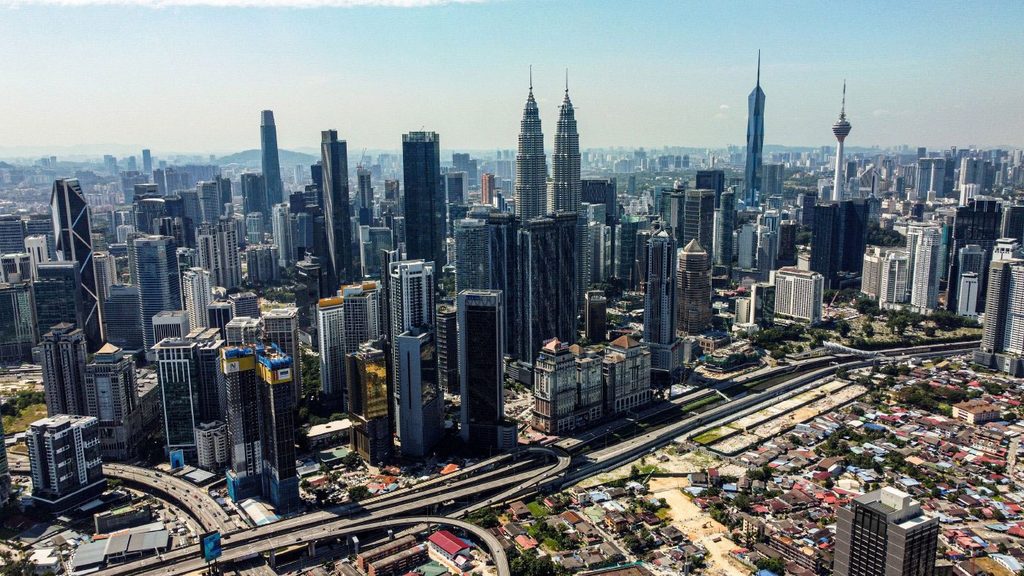
The government will reduce income tax rates for micro, small and medium-sized enterprises (MSMEs) by one percentage point to ease operating costs.
The proposed rates are:
- The first RM150,000 in chargeable income: reduced to 14%.
- Chargeable income between RM150,000 and RM600,000: reduced to 16%.
The measure is expected to provide additional income of up to RM6,000 to approximately 300,000 MSMEs.
The government will also increase microfinancing support and expand financing facilities to help local businesses manage cash flow and invest in productivity.
For small businesses and individuals seeking more affordable credit, participating banking institutions will begin offering a basic credit card with an interest rate capped at 14% annually.
23. Businesses to Receive RM57 Billion in Financing and Loan Guarantees
The government will increase total loan facilities and financing guarantees from RM50 billion to RM57 billion in 2027 to support businesses, particularly small and medium-sized enterprises (SMEs).
Key measures include:
- RM32 billion in financing guarantees from SJPP and CGC, with SJPP extending coverage to mid-sized companies across all sectors.
- SJPP’s guarantee limit will increase to RM50 million, with RM1 billion reserved for local companies pursuing mergers and acquisitions.
- RM60 million for MATRADE to help local companies expand into overseas markets.
- RM1 billion in financing from BPMB to support SMEs exploring export opportunities.
- RM142 million for the NADI platform to help more young entrepreneurs grow their online businesses.
- RM50 million for the UnivC fund to commercialise university research.
The government will also introduce legislation to strengthen accountability among e-commerce platforms and online sellers, following concerns about unfair competition from foreign e-commerce companies.
24. RM25 Billion in Domestic Investment to Support High-Value Industries
Government-linked investment companies (GLICs) will mobilise RM25 billion in domestic investments through the GEAR-uP initiative, targeting industries with higher economic value.
Among the announced investments are:
- RM1.25 billion for a new venture fund supporting data centres and logistics assets in Elmina, Selangor.
- RM1.2 billion from Khazanah and KWAP to help local semiconductor companies move into higher-value segments.
- RM450 million to develop startups.
- RM2.1 billion across several funds to strengthen mid-sized companies in electrical and electronics, digital technology, aerospace and medical devices.
- RM270 million to support SMEs, mid-sized companies and social enterprises through equity crowdfunding and peer-to-peer financing.
The government will also extend certain income tax exemptions for individual equity crowdfunding investors and investors funding early-stage technology startups until December 31, 2030.
25. More Opportunities for Startups and International Businesses
Several incentives will take effect to attract investment and skilled talent to Malaysia.
From January 1, 2027, new companies operating under the Global Services Hub incentive will receive a special 5% tax rate on qualifying income. Existing qualifying companies will also receive a 5% rate on income exceeding their prescribed baseline, subject to the relevant conditions.
Other measures include:
- Extending the DE Rantau Nomad Pass by two additional years for existing holders who have reached the current two-year limit, subject to conditions.
- Allowing spouses of expatriates holding Category I Employment Passes and Dependant Passes to work in Malaysia from January 1, 2027, subject to conditions.
- Introducing the MyABE status to facilitate employment-pass applications for eligible Malaysian companies expanding in ASEAN.
- Extending full income tax exemptions for Malaysian shipping companies until assessment year 2036.
These initiatives aim to improve Malaysia’s competitiveness as a regional business and investment destination.
26. RM8 Billion for TVET and Skills Training, 30,000 New Job Opportunities for Youth
The government will allocate RM8 billion across ministries for Technical and Vocational Education and Training (TVET) to improve young Malaysians’ skills and employability.
The Bakat MADANI initiative will also target 30,000 new job opportunities in 2027, involving government-linked investment companies, government-linked companies and private-sector employers.
Other initiatives include:
- RM3 billion through HRD Corp to provide three million skills-training opportunities.
- RM500 million through the Skills Development Fund Corporation to finance trainees enrolled in registered public and private skills-training institutions.
- Training and job placement for 1,000 Bumiputera youths in high-growth sectors through MARA.
- Training for 10,000 youths in robotics and digital technologies through CIDB.
- An increase in the allocation for MITRA to RM150 million, prioritising skills training and employment opportunities for Indian youths.
Companies participating in Bakat MADANI training programmes will also be eligible for tax deductions within the announced incentive period.
27. 100,000 More Free AI Subscriptions for Young Malaysians
The government will provide another 100,000 free AI subscriptions for young Malaysians, expanding the initiative to include new AI applications such as ChatGPT.
Other digital initiatives include:
- Free access to more than 16,000 courses and professional certificate programmes through the Rakyat Digital platform, in collaboration with Coursera.
- RM30 million through MDEC to help 4,000 SMEs adopt AI and automate their operations.
- Training and certification for 5,000 AI professionals.
- Nearly RM15 million for AI Malaysia Berhad to strengthen the development of safe and ethical AI.
- RM6 billion for cross-ministry research, development and commercialisation initiatives.
The government is also planning a sovereign AI cloud to keep Malaysians’ data and strategic national information under Malaysian control.
28. RM270 Million to Support Environmental Conservation
Malaysia will increase its Ecological Fiscal Transfer allocation to RM270 million to encourage states to protect natural resources and develop community-based ecotourism.
Additional environmental measures include:
- RM65 million to support approximately 2,500 community rangers, including Orang Asli, military veterans and retired police personnel.
- RM15 million from the palm oil industry’s cess collection for conservation efforts, prioritising endangered species such as the Malayan tiger, Bornean elephant and orangutan.
- An initiative to purchase old fishing nets to reduce risks to marine life.
- Upgrading ageing public sewerage systems on Pulau Tuba, Redang and Tioman, as well as in Langkawi.
Malaysia currently maintains nearly 18 million hectares of forest, equivalent to 54.4% of the country’s land area, according to the speech.
29. More Than RM130 Million for Local Films, Music and Creative Content
The government will allocate more than RM130 million to support Malaysia’s film, music and creative-content industries.
The measures include incentives for local and international film and animation productions filmed in Malaysia, with additional incentives for works showcasing Malaysian culture and national identity.
From 2027, tickets for local films and theatre performances in the Federal Territories will receive a full entertainment-duty exemption.
The government will also strengthen the local animation ecosystem, with a target of developing 20 new intellectual properties and commercialising Malaysian characters internationally.
30. RM700 Million for Sports Development and Community Unity
The government will allocate RM460 million for national sports development, including high-performance sports programmes, the Road to Gold initiative, Para sports, deaf sports and sports-facility maintenance.
Other measures include:
- RM240 million to prepare for the 2027 SEA Games and ASEAN Para Games.
- RM30 million in matching grants to encourage sports events organised by associations, clubs and NGOs.
- A 50% increase in funding for school sports activities, bringing the allocation to RM27 million to benefit more than 4.6 million students.
- An increase in annual Rukun Tetangga grants from RM6,000 to RM10,000 per active registered neighbourhood.
The government will also introduce the Budi Belia programme, offering a RM100 e-wallet incentive to eligible young people who complete the required hours of volunteering with selected NGOs.
31. RM935 Million for Tourism Ahead of Visit Malaysia 2027

The government will allocate RM935 million for tourism and culture as Malaysia continues preparations for Visit Malaysia 2027.
The funding will support tourism-industry promotions, events, infrastructure improvements and efforts to attract more international visitors.
Key measures include:
- Grants to encourage tourism events and promotional activities.
- Improvements to tourism facilities, including jetties and potential UNESCO heritage sites.
- Matching grants to establish new direct international flight routes from markets such as China, India, Central Asia and Europe.
- Expanded incentives covering cruise ships, ferries and tour buses bringing international visitors to Malaysia.
- An increase in the duty-free shopping allowance for visitors to Langkawi and Labuan to RM10,000, subject to a minimum stay of 48 hours.
- Wider QR payment acceptance at 15 locations, including resort islands.
Tax incentives for international conferences, exhibitions and incentive travel will also be extended until assessment year 2030.
32. Islamic Affairs Allocation Increased to RM3.1 Billion
The allocation for Islamic affairs will rise from RM2.6 billion to RM3.1 billion.
The government will establish the Malaysian Advisory Council for Pondok and Turath studies to support traditional Islamic scholarship and introduce the Sijil Turath Malaysia to strengthen pondok institutions.
Additional measures include:
- Digital devices and skills training for teachers and students in more than 300 pondok schools.
- A special monthly incentive of RM150 for 500 KAFA teachers educating students with special needs.
- Full PERKESO contribution coverage, through Tabung Haji, for 40,000 imams, bilals, mosque caretakers and religious teachers in the eligible groups listed in the speech.
33. RM1,000 One-Off Assistance for Taxi and School Bus Drivers
Following proceeds from the sale of special vehicle registration numbers, the government will provide RM1,000 in one-off financial assistance to:
- 38,000 taxi and rental-car drivers.
- 15,000 school bus drivers nationwide.
The speech states that the assistance will be distributed the following week.
34. Government Procurement Transparency and Stronger Anti-Corruption Enforcement
The government will introduce a Government-Owned Entities Bill to strengthen governance over government companies and statutory bodies responsible for managing public funds and assets.
Other reforms include:
- Publishing information on government projects, including contractors and contract values, following the implementation of the Government Procurement Act in 2027.
- Allocating RM1.1 billion to strengthen the operational capacity of enforcement agencies, including the Malaysian Anti-Corruption Commission, Royal Malaysia Police, Ministry of Domestic Trade and Cost of Living, Royal Malaysian Customs Department and Malaysia Competition Commission.
- Ensuring repayments collected from government-funded loans are reused only for their approved purposes and target groups.
- Working with government-linked companies and the corporate sector to improve the delivery of rural electricity and internet connectivity projects.
These measures are intended to strengthen accountability and ensure public funds are used for their approved purposes.
35. Higher Allowances, Maternity Leave and Pensions for public servers
The government has announced several measures to improve the welfare of public servants and retirees.
Key announcements include:
- RM2.3 billion for the construction and maintenance of quarters for public servants, including police officers, doctors, military personnel, teachers and firefighters.
- More than RM500 million for new military family housing in Skudai, Johor, and new quarters at immigration detention depots in Langkap, Perak, and Papar, Sabah, benefiting nearly 900 personnel.
- Higher hourly allowances for eligible RELA members, auxiliary firefighters, volunteer police and civil defence volunteers: RM9 for volunteers and RM10.80 for supervisors.
- A one-off ex-gratia payment for eligible beneficiaries increased from RM20,000 to a maximum of RM50,000, subject to service duration.
- A one-off special promotion for 12,000 professional and management officers.
- Total maternity leave entitlement throughout a civil servant’s service increased from 360 to 490 days, with a maximum of 98 days per birth.
- RM20 million to improve childcare centres in government facilities.
- The minimum pension increased from RM1,000 to RM1,350 per month, benefiting nearly 59,000 pensioners, military veterans and derivative pension recipients.
These measures aim to improve public-sector welfare, support working parents and strengthen retirement income for eligible recipients.
Budget 2027 Totals RM510 Billion
The speech places the overall size of Budget 2027 at RM510 billion, up from RM470 billion.
The breakdown is as follows:
| Allocation | Amount |
|---|---|
| Federal operating expenditure | RM376.8 billion |
| Federal development expenditure | RM83 billion |
| GLIC investments | RM25 billion |
| Public-private investments | RM11 billion |
| Federal statutory bodies and MKD company investments | RM14.2 billion |
| Total | RM510 billion |
Federal revenue is projected to rise to RM380.8 billion in 2027, compared with a projected RM363.6 billion in 2026.
The government is targeting a lower fiscal deficit of 3.3% of GDP in 2027, moving towards its 3% target by 2028.
What these additional announcements mean for Malaysians
The second part of Budget MADANI 2027 places particular emphasis on healthcare, education, transport affordability and support for vulnerable groups.
Families with school-going children, PTPTN borrowers, public transport commuters, senior citizens, persons with disabilities and lower-income households stand to benefit from targeted measures.
The budget also directs substantial funding towards farmers, fishermen, smallholders and microbusinesses, while allocating more resources to public hospitals, schools and disaster preparedness.
As with the earlier announcements, some measures are scheduled for 2027 while others involve proposed legislation, future projects or schemes subject to implementation guidelines. Eligibility requirements and application details should be confirmed with the relevant agencies before readers act on the announcements.
36. RM47.7 billion allocated for healthcare, with over 9,000 contract doctors to receive permanent posts
The Ministry of Health’s allocation will increase to RM47.7 billion in 2027, up from RM46.5 billion this year, with measures aimed at improving healthcare services and reducing waiting times.
More than 9,000 contract doctors will be offered permanent positions in 2027. The government said it had appointed more than 15,000 contract doctors permanently since 2023.
Other healthcare measures include:
- RM200 million to expand outsourcing arrangements for patients to receive treatment at other hospitals, including private healthcare facilities.
- RM1.2 billion for the maintenance and refurbishment of public hospitals and clinics.
- More than RM770 million for modern medical equipment, including upgraded haemodialysis facilities and 400 new ambulances.
- RM60 million for the Medical Assistance Fund, up from RM40 million.
- Continued coverage under the MySalam scheme in 2027.
The government will also introduce the MediAsas basic medical insurance plan from January 2027, offering coverage at affordable prices.
Employees’ Provident Fund (EPF) members below 55 will be allowed to use their Sejahtera Account to pay MediAsas premiums. For small and medium-sized businesses with fewer than 75 employees, the government will subsidise the first-year premium by RM200 per employee, covering up to 50 employees per company.
The subsidy is expected to benefit up to 200,000 workers.
37. School assistance increased to RM200 per student
Families preparing for the 2027 school year will receive higher financial assistance, with the Bantuan Awal Persekolahan payment increased from RM150 to RM200 per student.
The programme is expected to benefit 5.3 million students, supported by a RM1 billion allocation.
Under the new rate, a family with four school-going children will receive RM800 in school assistance.
The Education Ministry will receive nearly RM69 billion in 2027, up from RM66.2 billion this year, making it the ministry with the largest allocation.
The government will also double the allocation for the repair and maintenance of all types of schools from RM1 billion to RM2 billion.
This includes:
- RM900 million for national schools.
- RM100 million for Chinese national-type schools.
- RM50 million for Tamil national-type schools.
- RM200 million for registered people’s religious schools, tahfiz institutions and pondok schools.
A further RM1.3 billion will be allocated to upgrade 682 dilapidated schools, particularly in Sabah and Sarawak.
38. Form Six students to receive RM2,500 living allowance
Form Six students will receive a living allowance of RM2,500, matching the rate provided to matriculation students.
The measure is expected to benefit 90,000 students.
The government will also allocate RM870 million for the Supplementary Food Programme, which is expected to benefit more than 800,000 students.
Separately, 3,500 additional classrooms are expected to be completed by the end of 2026 to accommodate the growing number of Year One pupils.
39. PTPTN borrowers earning RM2,500 or less can defer repayments
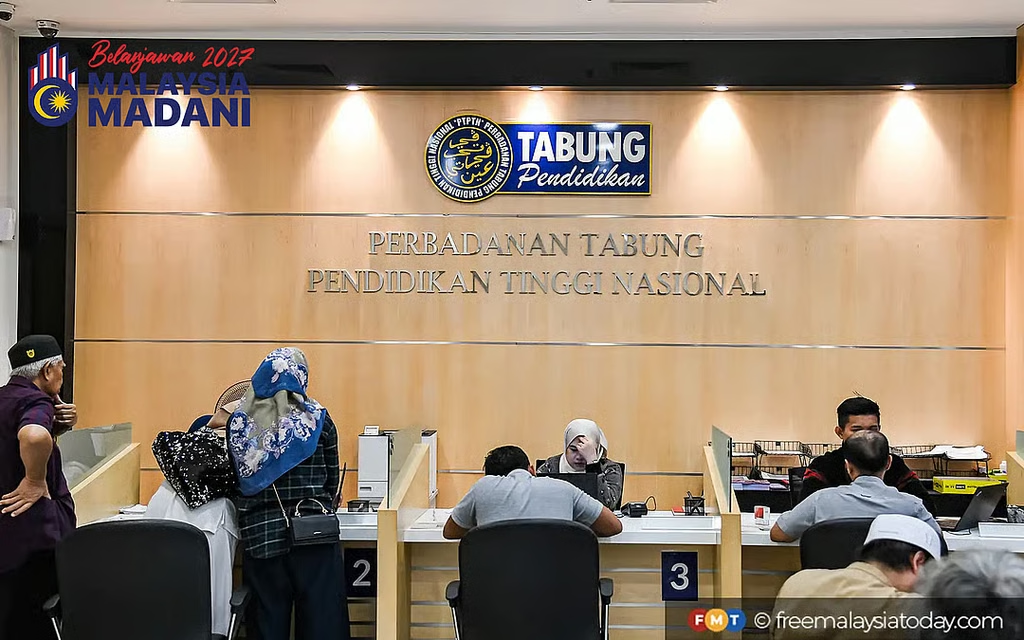
National Higher Education Fund Corporation (PTPTN) borrowers earning RM2,500 or less a month will be allowed to defer their loan repayments in 2027.
Borrowers earning between RM2,500 and RM3,000 a month will be required to make minimum repayments of RM50.
The measures are expected to benefit more than 400,000 borrowers.
The government will also offer a 10% discount to borrowers who have no outstanding arrears and make repayments regularly.
Employers who repay PTPTN loans on behalf of their employees will be eligible for tax deductions on payments made between Jan 1, 2027, and Dec 31, 2028.
For students facing rising living costs, the government will expand the Dapur Siswa MADANI programme to polytechnics and teacher education institutes, with RM20 million allocated to provide cooking equipment, food supplies and meals priced at RM5.
The FlySiswa MADANI airfare assistance will also increase from RM400 to RM500, benefiting more than 60,000 public higher education students.
40. My50 pass retained, new MyKomuter50 pass to benefit 40,000 commuters
Public transport users in the Klang Valley will continue to benefit from the My50 travel pass, which serves approximately 300,000 bus and rail users under Prasarana.
A new MyKomuter50 pass will be introduced for KTM Komuter users, with 40,000 commuters expected to benefit. The government estimates that users could save an average of up to RM160 a month.
Free travel passes will also be provided to 360,000 school students, persons with disabilities (OKU) and children below six years old.
To improve rail reliability, Prasarana will invest more than RM3.4 billion in a comprehensive recovery programme, while the government will acquire 42 new train sets for ETS and KTM Komuter services.
The government will also allocate RM270 million to improve stage bus services in major cities, including connections to 15 stations along the East Coast Rail Link (ECRL).
41. Support for senior citizens and persons with disabilities increased
The government will increase allocations for senior citizen assistance to RM1.3 billion in 2027, benefiting nearly 200,000 recipients.
The service tax on elderly care services will also be reduced from 8% to 6% from Jan 1, 2027. A full exemption will apply to care fees of up to RM96,000 annually.
A proposed Senior Citizens Bill will be drafted to address neglect and strengthen the country’s elderly care system.
For persons with disabilities, total assistance allocations will increase to RM1.5 billion, benefiting more than 300,000 people.
Other measures include:
- Monthly assistance for bedridden persons with disabilities and chronic patients increased from RM500 to RM600.
- The income threshold for the Disabled Workers Allowance increased from RM1,700 to RM2,000.
- The allowance for students with special educational needs increased from RM150 to RM200 a month.
- The teaching incentive for special education teachers increased from RM250 to RM300 a month.
- Two new Permata Kurnia centres will be built in Melaka and Pahang to provide education, support and training for autistic children.
More than 130 new Tabika Tunas Istimewa classes will also be opened in rural areas to improve early support for autistic children from lower-income families.
42. Bankruptcy threshold raised to RM150,000
The government will raise Malaysia’s bankruptcy threshold from RM100,000 to RM150,000 from 2027.
The move follows government efforts that have helped more than 250,000 Malaysians exit bankruptcy since 2023.
The government’s Peluang Kedua Prihatin policy will also be expanded to cover primary caregivers of family members with disabilities, chronic illnesses and elderly dependants, as well as gig workers and individuals with irregular incomes.
Eligible bankrupt individuals may also benefit from automatic discharge provisions, including discharge as early as three years under Section 33C of the Insolvency Act, subject to the applicable conditions.
43. RM2.62 billion in assistance for paddy farmers
The government will allocate RM2.62 billion in assistance to paddy farmers, with support estimated at approximately RM4,300 per hectare through measures including seed, fertiliser and pesticide subsidies, ploughing assistance and paddy price support.
The paddy harvesting incentive will increase from RM50 to RM100 per hectare per season.
The ploughing incentive, previously raised to RM300, will be maintained and extended to paddy farmers in Sabah and Sarawak.
A further RM20 million will be allocated to provide foliar fertiliser for more than 10,000 hectares of paddy fields.
The government is also continuing its Five Paddy Crops in Two Years initiative, aimed at strengthening domestic rice production and food security.
44. Fishermen and smallholders to receive expanded assistance
The government will expand the special boat licence scheme to cover 20,000 fishermen, up from 17,000, with an allocation of RM30 million.
Eligible fishermen will continue to receive subsidised diesel at RM1.65 per litre. A further RM178 million will support measures including catch incentives and living allowances of up to RM300 a month.
For rubber smallholders, the Rubber Production Incentive will increase from RM3 to RM3.30 per kilogram, benefiting more than 300,000 smallholders.
The government will also double funding for plantation road repairs to RM100 million.
Separately, RM100 million in hybrid financing will support the replanting of oil palm trees for 4,500 smallholders, while another RM200 million in financing will be made available for replanting costs, with repayment deferred for four years under the announced scheme.
45. Disaster home repair assistance doubled to RM10,000
The government will increase financial assistance for repairing homes damaged by disasters from RM5,000 to RM10,000.
The National Disaster Management Agency will receive RM260 million in 2027.
New flood mitigation projects will include works in Kuching, Sarawak; Sungai Golok Phase Two in Kelantan; and Sungai Kemaman in Terengganu.
Nearly RM320 million will also be allocated to repair and upgrade slopes, drains and public drainage infrastructure nationwide.
The measures are intended to strengthen disaster preparedness and support affected households.
46. RM200 million grant programme to support 40,000 recipients, particularly women
The government will introduce the Geran Sejahtera MADANI programme, providing RM200 million in grants for equipment and training to 40,000 recipients, particularly women.
The initiative aims to help people who already have practical skills but lack the capital to purchase essential business equipment, such as sewing machines and ovens.
Microfinancing will also increase to RM6.6 billion in 2027.
Amanah Ikhtiar Malaysia will have RM3 billion in available financing to assist 360,000 entrepreneurs, while TEKUN Nasional’s financing allocation will increase to RM1.3 billion.
For Indian small business owners, financing under TEKUN and Amanah Ikhtiar Malaysia will increase to RM150 million.
Bank Simpanan Nasional will also provide RM1.7 billion in microfinancing, with specific support for young people, gig workers, hawkers and vulnerable groups.
47. Lower income tax rates for SMEs
The government will reduce income tax rates for micro, small and medium-sized enterprises (MSMEs) by one percentage point to ease operating costs.
The proposed rates are:
- The first RM150,000 in chargeable income: reduced to 14%.
- Chargeable income between RM150,000 and RM600,000: reduced to 16%.
The measure is expected to provide additional income of up to RM6,000 to approximately 300,000 MSMEs.
The government will also increase microfinancing support and expand financing facilities to help local businesses manage cash flow and invest in productivity.
For small businesses and individuals seeking more affordable credit, participating banking institutions will begin offering a basic credit card with an interest rate capped at 14% annually.
What Malaysians should take note of
Budget MADANI 2027 places significant emphasis on household assistance, wage growth, tax relief, housing affordability and social protection.
For lower-income households, the expanded STR-SARA allocation and discounted essential goods programmes are among the most direct forms of support. Middle-income taxpayers may benefit from higher tax relief limits and lower rates in selected income brackets, while workers could benefit from the planned minimum wage increase.
First-time homebuyers, gig workers, rural communities and small traders are also among the groups targeted by specific measures.
However, several announcements remain proposals or are scheduled for implementation in 2027. Malaysians should check the relevant agencies’ official guidelines for eligibility, application procedures and commencement dates as further details are released.
Follow Wah Piang for more