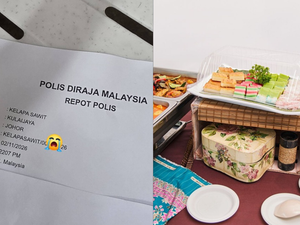
A Malaysian woman has reportedly lost around RM22,000 after falling victim to a suspected online scam involving a Facebook advertisement promoting cheap buffet meals.
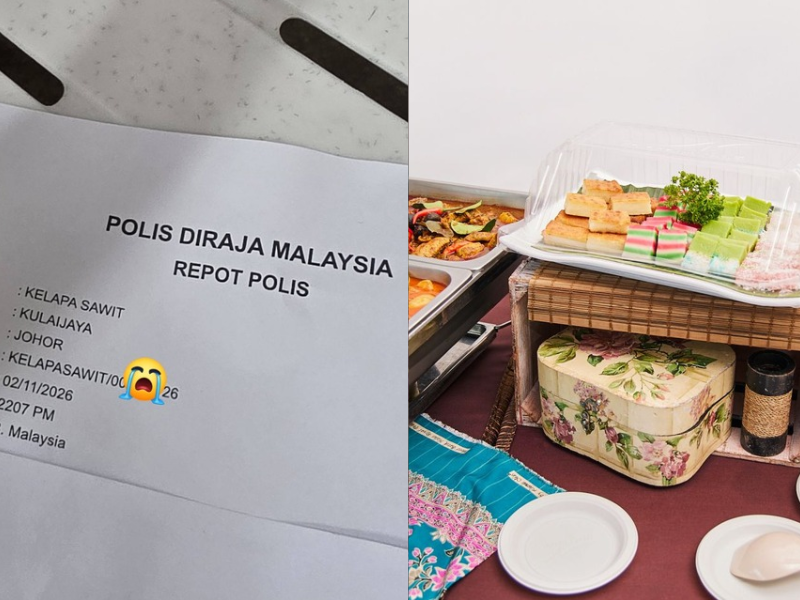
According to a Facebook post shared by her child, the woman came across an advertisement for a Nyonya-style buffet offering affordable prices and birthday dining promotions. Hoping to find a place to celebrate her grandchild’s birthday, she contacted the page through Facebook Messenger to enquire about the menu and deals.
However, she was instructed to download an app to access the information. As she was unfamiliar with the process, the person on the other end guided her through disabling her phone’s security settings, installing the app and granting it access to control her device. Things took a worrying turn when her phone screen suddenly went black after the installation.
RM22,000 reportedly transferred out of bank account
When the family checked her Maybank account, they discovered that approximately RM22,000 had been transferred out, leaving just RM1.12 in the account. The family also questioned how the transactions could have gone through despite the woman’s daily transfer limit reportedly being set at RM3,000.
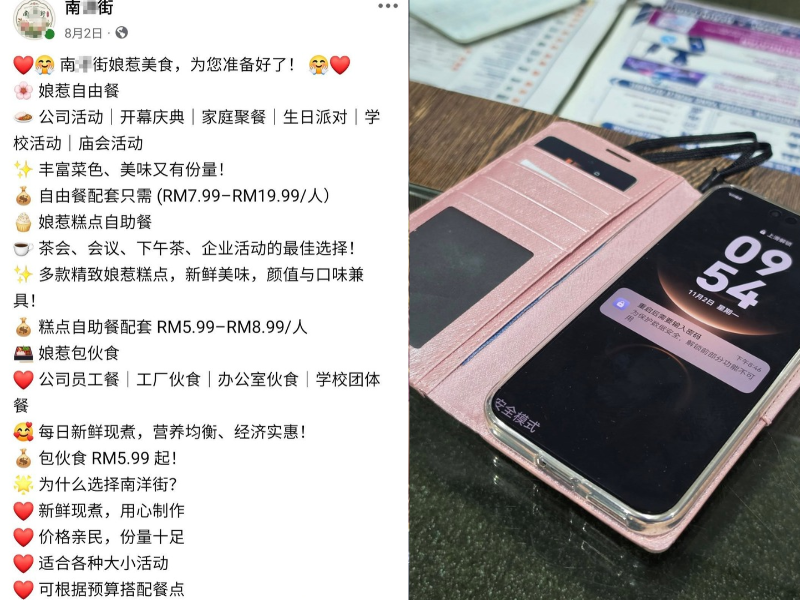
To make matters worse, the scammers allegedly changed her phone passcode from four digits to six digits and activated airplane mode, leaving her unable to access the device.
The family said the phone contained important photographs from her recent trip to China, WhatsApp conversations and other personal files that they could no longer retrieve. They have since lodged a police report and contacted Maybank to request an investigation and assistance in recovering the money.
The family also warned others against downloading unfamiliar apps or following instructions to disable phone security settings, especially when dealing with advertisements offering unusually cheap deals. They stressed that younger family members should also take time to check their parents’ phones and remind them about common online scam tactics.
The family added that it could not confirm whether the restaurant featured in the advertisement was directly involved, as scammers might have used videos or promotional materials belonging to a legitimate business to impersonate it.
They also urged the public to share the warning with their parents and elderly relatives to prevent more people from falling victim to similar scams.
Follow Wah Piang for more