Due to ongoing conflict in the Middle East, many Malaysians are worried that the country may soon run out of oil. The truth, however, is quite different. Malaysia still has substantial oil reserves, and not just in one spot.
The truth behind M’sia’s oil supply
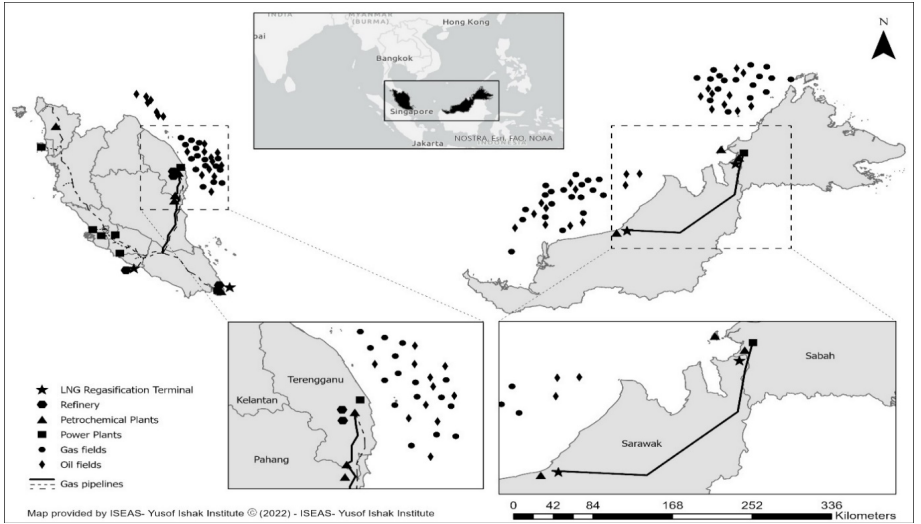
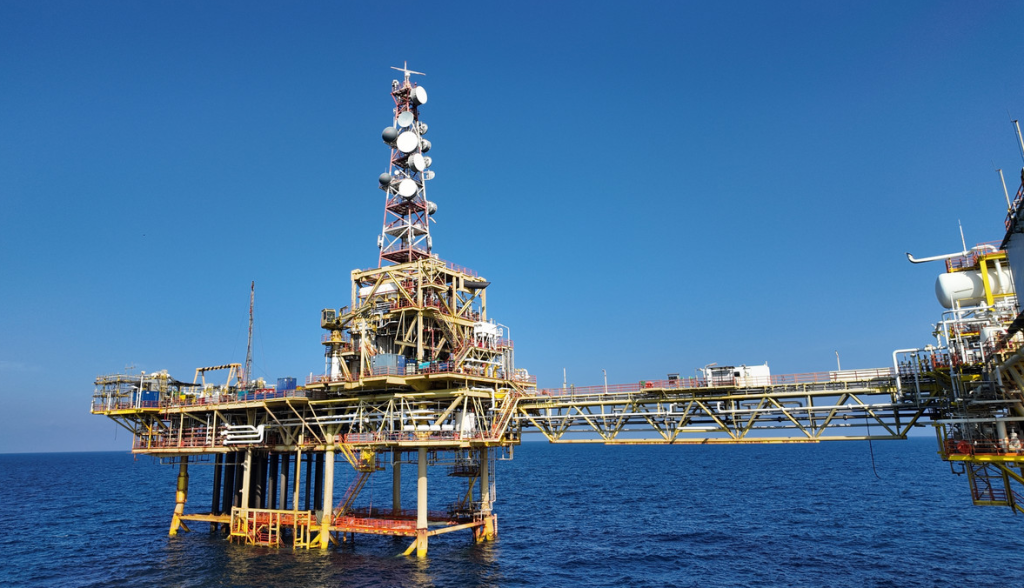
Malaysia is the second largest oil producer in Southeast Asia and the world leading exporter of liquified natural gas (LNG). According to official data managed by national oil company Petronas, Malaysia currently produces around 660,000 barrels of liquids and about 7 billion cubic feet of gas per day. The nation’s remaining commercial reserves are estimated at over 17 billion barrels of oil equivalent from more than 400 fields.
Major production regions include:
1. Sabah (East Malaysia)
- One of Malaysia’s largest oil-producing states (offshore fields).
- Supplies both domestic demand and exports; important for Malaysia’s LNG production.
- Oil and gas production largely managed by Petronas
2. Sarawak (East Malaysia)
- Leading exporter of LNG (liquefied natural gas) globally.
- Key offshore fields: Bintulu, Kasawari and Taliwang.
3. Terengganu
- One of Peninsular Malaysia’s most important energy regions, managed by Petronas. (mainly offshore)
- Major oil fields include Duyong Field, Tapis Field, Bekok, Pulai, Angsi
- Kerteh is core energy hub, with gas processing plant and petrochemical facilities & export terminals
- More natural gas than oil, feeding national electricity needs
4. Kelantan
- Resources are located in the Malaysia–Thailand Joint Development Area (PM3 CAA).
- Oil and gas are jointly managed with Vietnam, and revenue is shared between the two countries.
- Not entirely under Malaysia control, therefore often overlooked by public
5. Johor
- Refining and petrochemical hub (not major production), for example: Pengerang RAPID
- Processes crude into gasoline, diesel, and chemical products.
Why Malaysia still imports oil despite being a producer
Malaysia’s energy system isn’t controlled by China or any single country, petroleum resources in Malaysia are owned and regulated by the Malaysian state through Petronas.
Crude oil varies by density (light vs heavy) and sulfur content (sweet vs sour). That said, refineries are specifically designed to process certain types of crude efficiently.
Malaysia produces light, sweet crude that often fetches higher prices in international markets due to high quality.
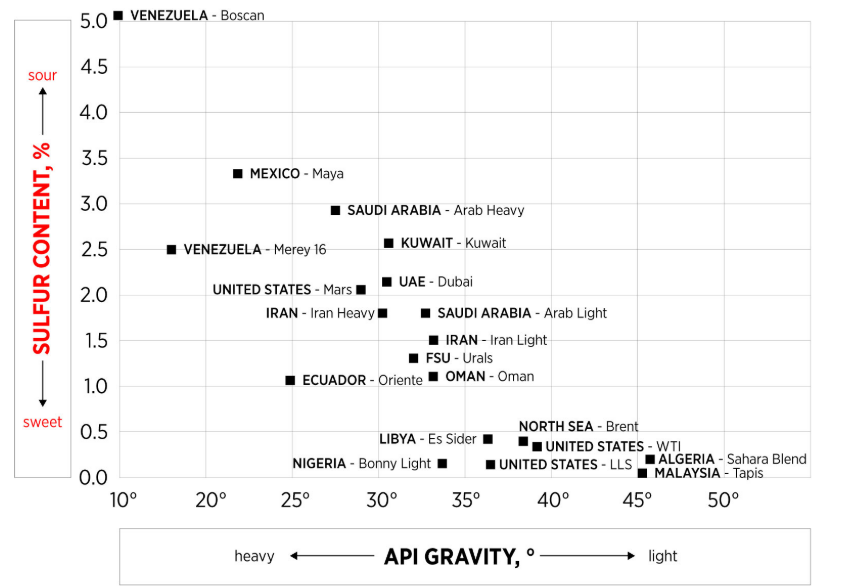
Instead of using all of it domestically, Malaysia exports premium crude for better revenue and imports crude better suited for local refinery configurations. This allows the country to optimize its configurations and increase profits.
Integrated role in the global market
Malaysia is a fully integrated energy player that performs as a:
- Producer (upstream: oil and gas extraction)
- Refiner (downstream: processing fuels)
- Trader (importing and exporting internationally).
The export portfolio of Malaysia’s energy includes various regions such as Japan, South Korea, Europe, and ASEAN countries. Hence, energy markets are global and based on international pricing and contracts, no single buyer can unilaterally control Malaysian oil production or pricing.
Many Southeast Asian countries such as Thailand and the Philippines rely heavily on imports primarily from the Persian Gulf. Compared to them, Malaysia still holds upstream resources, refining capacity, and policy tools, placing it in a relatively stronger and more balanced energy position.
Follow Wah Piang for more.