Imagine receiving a flood warning directly on your phone without needing mobile data or even an internet connection. Malaysians could soon have access to such a service, with a nationwide emergency alert system expected to be introduced by the end of 2026.
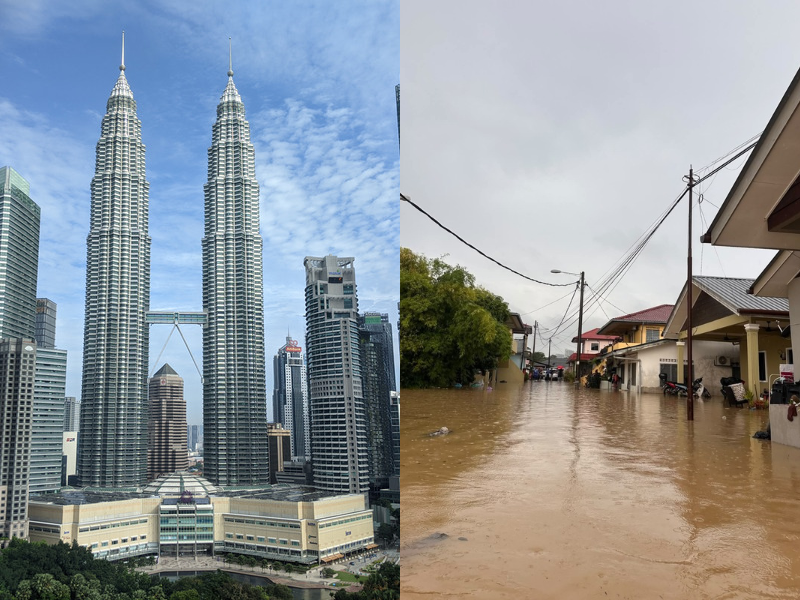
The system is designed to notify people in disaster-hit areas through their mobile phones, allowing them to receive important warnings even when they are not connected to the internet.
Before it becomes available nationwide, the Malaysian Communications and Multimedia Commission (MCMC) will conduct a technical test on November 19 to check whether alerts can be successfully delivered to mobile devices. MCMC has also advised the public to keep their phone operating systems updated to support the upcoming emergency notifications.
How will the new alert system work?
The new service uses Cell Broadcast System (CBS) technology, which allows authorities to send emergency notifications to mobile phones within selected geographical areas.
Unlike traditional SMS alerts, the system does not require recipients’ phone numbers or an internet connection to deliver warnings. It is being developed by MCMC and the National Disaster Management Agency (NADMA), with the initial testing expected to cover flood-prone locations such as Selangor, Kuala Lumpur, Kelantan and Pahang. The system is also intended to eventually replace Malaysia’s existing SMS-based disaster warning service.
According to MCMC, NADMA will coordinate emergency warning procedures, while the relevant government agencies will determine when alerts need to be issued.
More than just flood warnings
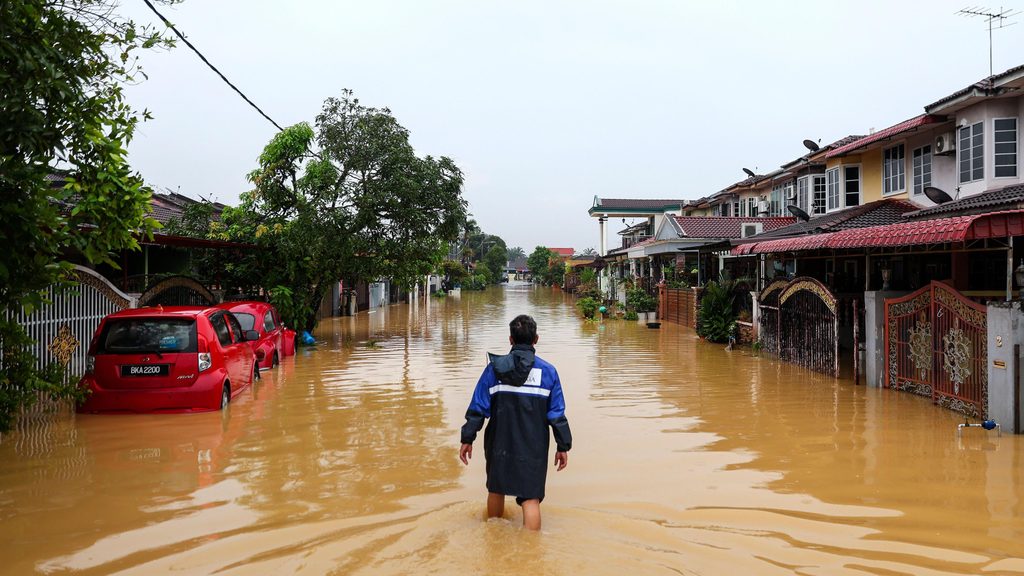
The upcoming system is also expected to cover other weather-related emergencies, including prolonged heavy rainfall.
MetMalaysia director-general Mohd Hisham Mohd Anip confirmed that warnings about continuous heavy rain would also be included. Information from several agencies, including MetMalaysia, the Department of Irrigation and Drainage, and the Department of Mineral and Geoscience, will be used to determine the alerts.
Universiti Malaya meteorologist Azizan Abu Samah said the technology could be particularly useful in urban areas where flash floods can happen with little warning. He suggested that notifications could even guide motorists towards multi-storey car parks where they could move their vehicles to safer locations. However, he noted that flash floods can develop and recede quickly, making it important for warnings to reach people as early as possible.
Another Universiti Malaya meteorologist, Sheeba Chenoli, said early notifications could give people more time to prepare before disasters strike. She also highlighted the importance of educating the public on how to respond to different warning levels so they know what steps to take when an alert arrives.
The November 19 exercise will help assess the system’s technical readiness ahead of its planned nationwide rollout by the end of 2026.
Follow Wah Piang for more