Malaysia is reportedly preparing for a possible scenario where AirAsia may have to scale back its operations, with the government asking Malaysia Airlines and Batik Air whether they could absorb some of the budget airline’s domestic routes and passengers.
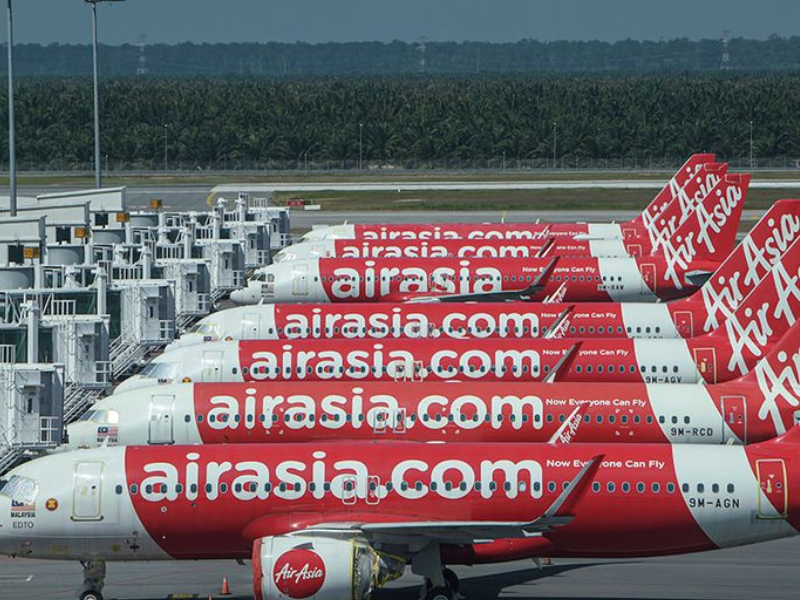
Two people familiar with the discussions told Reuters that talks between the government, Malaysia Airlines and Batik Air have picked up in recent weeks as authorities keep a close eye on AirAsia’s financial position.
The discussions are understood to be scenario planning, rather than confirmation that AirAsia is shutting down or being taken over.
Airlines asked if they could handle AirAsia’s routes
The talks involve the Finance Ministry and Malaysia Airports Holdings, the state-linked operator of Malaysia’s airports.
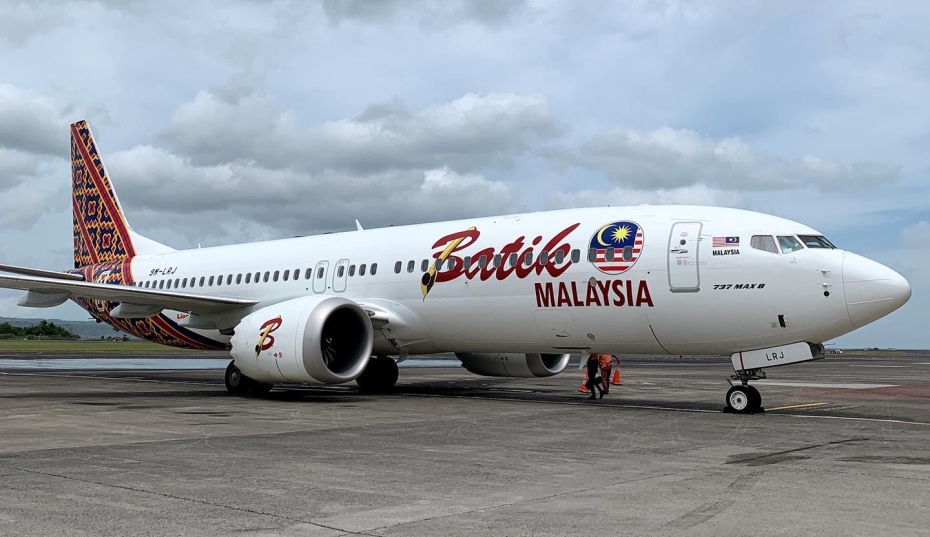
According to one source, both Malaysia Airlines and Batik Air have told the government they would be open to expanding their networks organically to accommodate AirAsia passengers and routes if needed. However, taking over AirAsia’s operations on a large scale could be complicated. The two airlines reportedly told the government that they would only consider a major takeover of operations if they could also take on AirAsia’s aircraft leases.
Without the aircraft, absorbing such a large number of routes and passengers would be much more difficult.
AirAsia accounts for a huge chunk of domestic flying
The situation matters because AirAsia has a major presence in Malaysia’s aviation market. The airline has said it accounts for around 40% of Malaysia’s overall aviation market and about 60% of domestic flying.
That means any major reduction in its operations could have a significant impact on domestic air connectivity. AirAsia has not said that it is planning to cease operations. Instead, deputy group CEO Farouk Kamal said the airline would not comment on speculation surrounding its finances or unannounced corporate arrangements. He said AirAsia remains focused on maintaining business continuity and stable operations, while continuing to work with its stakeholders on its financial and operational requirements.
Fuel costs are adding pressure
One of the major challenges facing the airline has been rising costs. Reuters reported that jet fuel costs surged by 66% in the second quarter compared with the previous quarter, averaging US$183 a barrel, amid the impact of the US-Israeli war on Iran. AirAsia also recorded a RM831 million net loss for the quarter ended 30 June.
The airline was hit by higher fuel expenses as well as RM331 million in foreign-exchange losses.
AirAsia is looking for fresh funding
AirAsia is also working on raising new financing.
The airline said it was in discussions with financial institutions to raise up to US$1 billion from international debt markets, alongside RM700 million in local credit facilities. The funds would primarily be used to restructure its existing debt.
Two people familiar with the situation estimated that AirAsia could require at least US$3 billion in fresh capital to address its financial position. AirAsia, however, said its financing targets were sufficient to meet its requirements. As of 30 June, the airline had RM954 million in cash and bank balances.
It’s already cutting costs
AirAsia has also been restructuring its business to reduce expenses. The airline has been cutting underperforming routes, returning 25 older aircraft to lessors and renegotiating contracts with vendors.
Reuters also previously reported that the Finance Ministry had hired Alton Aviation Consultancy to assess AirAsia’s funding needs as the government considers whether some form of support may be necessary.
The airline’s importance to Malaysia’s aviation sector, employment and affordable connectivity is understood to be among the factors being considered. For now, there is no confirmed takeover or government bailout.
The discussions involving Malaysia Airlines and Batik Air are being described as contingency planning while authorities monitor how AirAsia manages its financial pressures.
Follow Wah Piang for more