Malaysia’s public healthcare system is facing a growing shortage of doctors, with the number of doctors employed by the Health Ministry falling for the first time in about a decade.

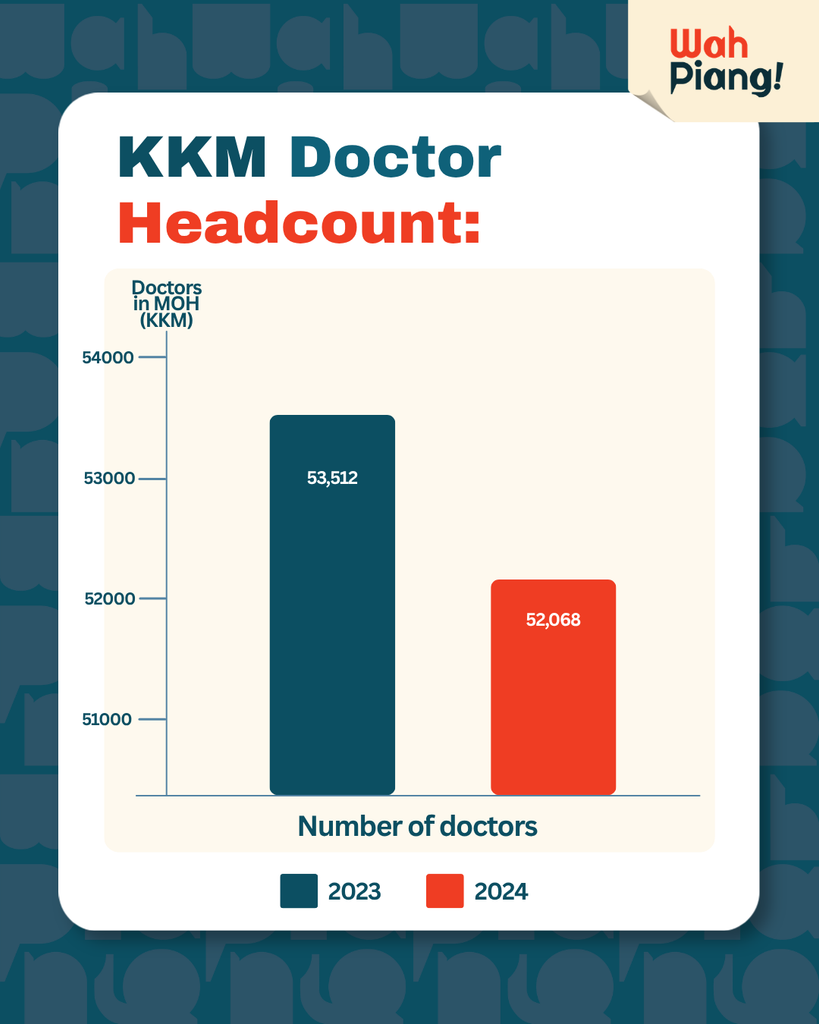
According to the Ministry of Health’s (MOH) Health Facts, the number of doctors in the ministry dropped from 53,512 in 2023 to 52,068 in 2024, a decline of 2.7%, or 1,444 doctors. The figure includes 129 house officers.
Thousands of medical officers have left the public sector
The decline comes as thousands of medical officers continue leaving the public healthcare system. Health Minister Datuk Seri Dr Dzulkefly Ahmad said 3,511 medical officers left the public sector between 2023 and 2025. That included 1,283 officers in 2023, 1,153 in 2024 and another 1,075 in 2025.
The specialist workforce has also been affected.
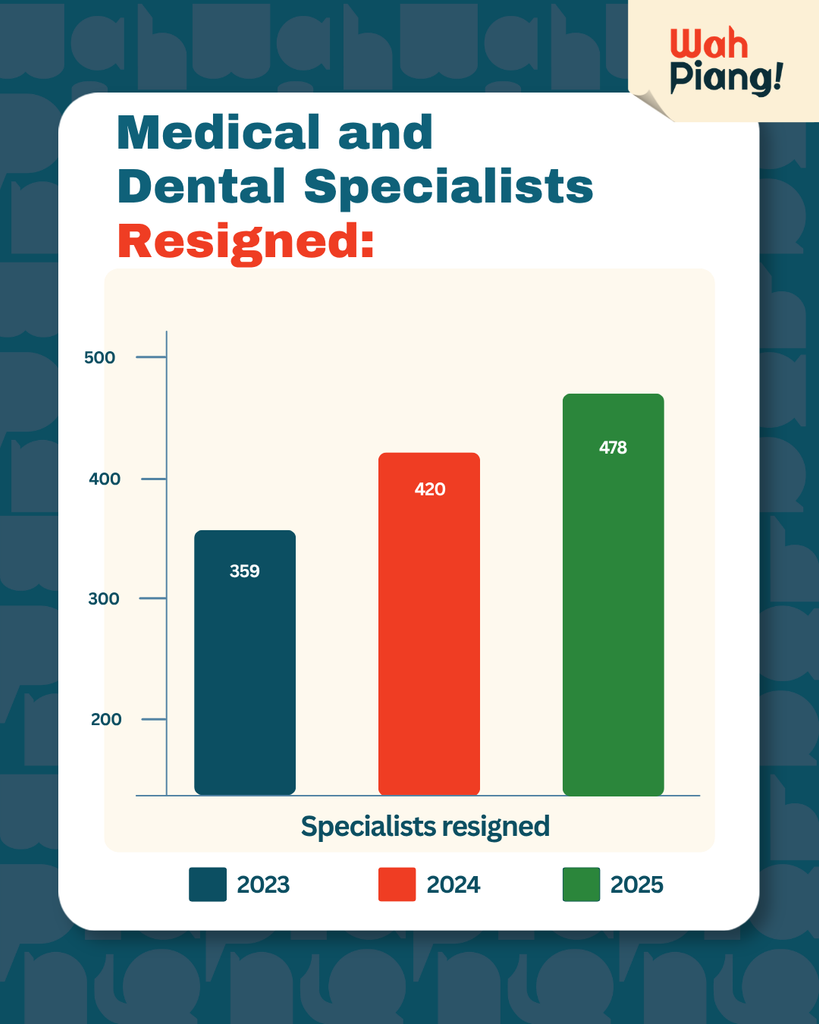
A total of 1,257 medical and dental specialists left the public sector over the same three-year period, with 359 leaving in 2023, 420 in 2024 and 478 in 2025.
Public healthcare needs more than 13,000 specialists
The bigger concern is the gap between the number of specialists currently working in the public system and what MOH says it will need in the coming years.
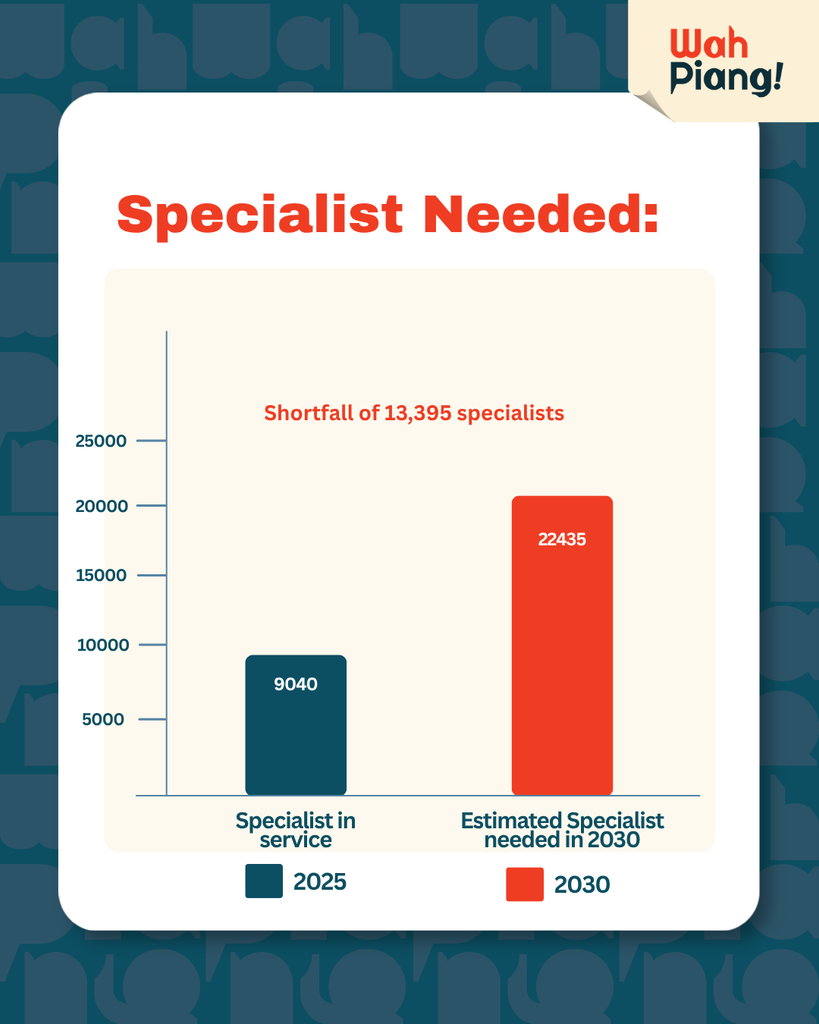
As of 31 December 2025, Malaysia had 9,040 medical specialists working across MOH facilities, covering 29 core specialties.
By 2030, however, the ministry estimates it will need 22,435 specialists. That leaves a projected shortfall of 13,395 specialists.
MOH currently produces around 1,000 to 1,400 new specialists a year. Even if that pace continues, only around 4,000 to 5,600 additional specialists would be produced by 2030 , well below the projected gap, and that estimate does not account for doctors who may leave the public sector or challenges in distributing specialists across facilities.
Govt says there’s no law to stop doctors from going private
Dzulkefly also said the Health Ministry currently has no legal provisions to prevent medical officers from moving into the private sector.
This includes stopping private companies or registered foreign talent recruitment agencies from approaching public-sector medical officers.
He was responding to a parliamentary question from Mohd Nazri Abu Hassan regarding the contractual medical officer system, the number of doctors and specialists leaving public healthcare and measures being taken to retain them.
Govt offers more allowances and training opportunities
To encourage doctors to remain in the public sector, the government has introduced several financial incentives.
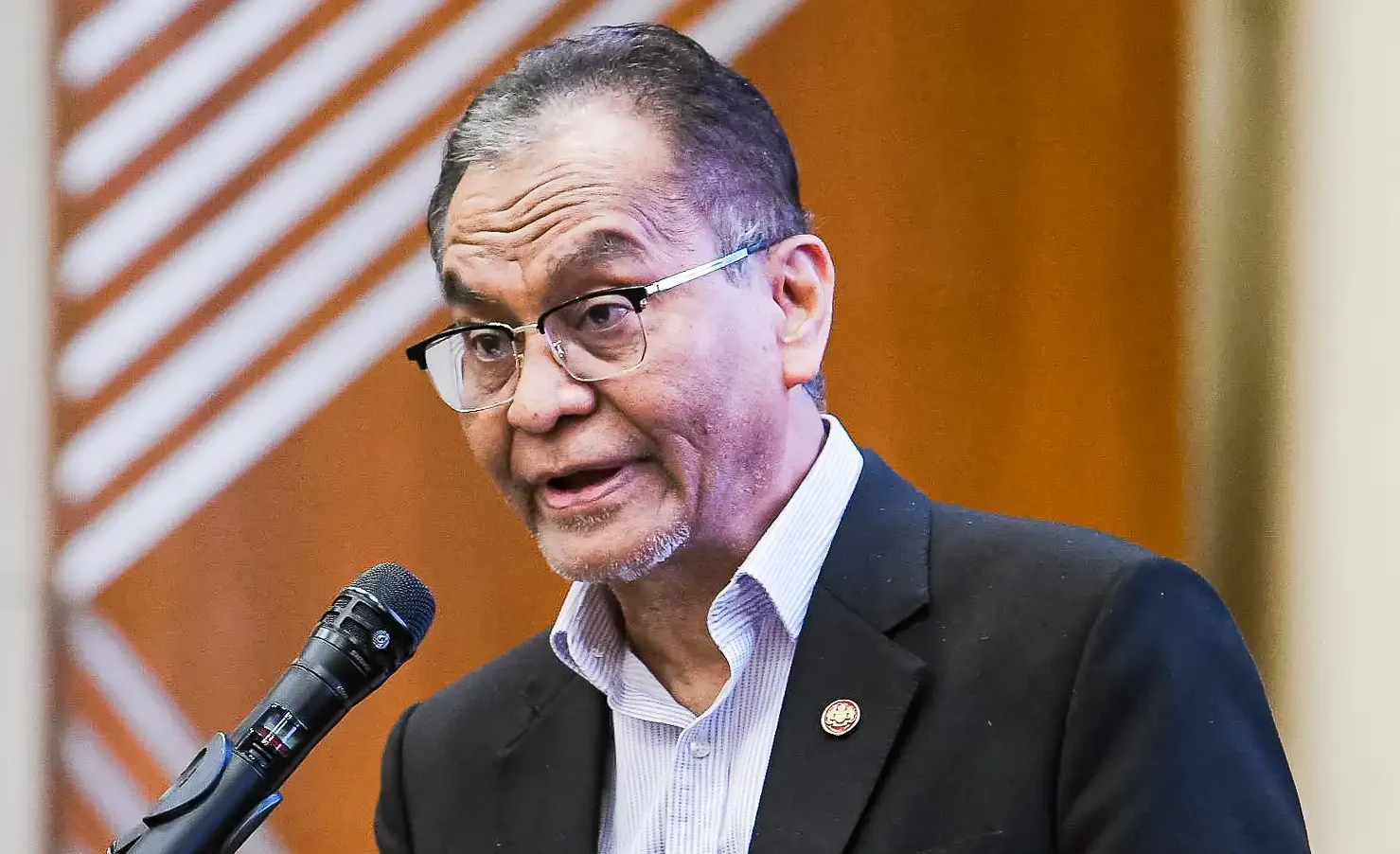
Medical officers can receive a starting salary of RM5,380 under Grade UD9, which Dzulkefly said is the highest starting salary among civil service schemes, together with an annual increment of RM225. Other incentives include an RM80-per-hour after-hours duty allowance at health clinics and hospital emergency department patient treatment clinics.
The medical officer on-call allowance was also increased by 40% from 1 October 2025, while an elective surgery allowance of RM80 per hour was introduced.
For specialists, the ministry has expanded sponsorship opportunities for sub-specialty training under the Federal Training Award. It is also working to expand specialist training through master’s programmes and parallel pathways following amendments to the Medical Act 1971.
MOH says retaining doctors will take long-term efforts
Dzulkefly acknowledged that keeping doctors in the public healthcare system is not something the Health Ministry can solve on its own. He described the issue as a complex one that requires long-term measures and cooperation between different parties.
The ministry will continue engaging with central agencies to review incentives and benefits for medical officers, with the aim of encouraging more doctors to stay in public healthcare.
With doctor numbers already falling and the specialist gap expected to remain substantial, Malaysia’s public healthcare system faces a significant challenge in keeping enough medical professionals in the system while training new ones.
Follow Wah Piang for more