The misuse of medical certificates (MCs), whether through forged documents or questionable practices, has become an increasing concern for employers across Malaysia. What was once viewed as an occasional workplace issue is now being discussed as a broader problem affecting productivity, workplace trust, and business costs.
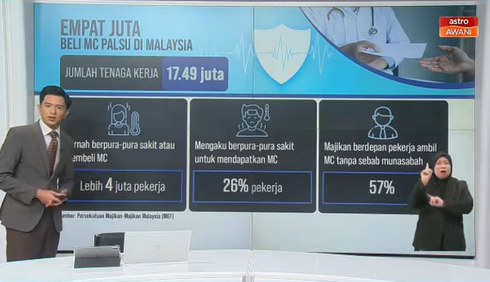
More than 4 million workers misuse sick leave
Recent surveys cited by the Malaysian Employers Federation (MEF) suggest that MC abuse may be more common than many employers realize. According to the findings, 26% of employees admitted to having faked an illness to obtain sick leave, while 57% of employers reported encountering cases where employees took medical leave without reasonable grounds. Based on these figures, reports have estimated that more than four million workers may have engaged in some form of MC misuse. However, these estimates are derived from survey data rather than direct verification of every case.
The cost to businesses
For employers, the impact extends beyond a single day of absence. Unplanned leave can disrupt operations, delay projects and place additional pressure on colleagues who must absorb extra responsibilities. Businesses may also incur additional expenses through overtime payments, temporary staffing arrangements and healthcare-related costs.
The MEF has previously estimated that sick leave-related expenses cost Malaysian employers billions of ringgit annually, highlighting the financial significance of the issue.
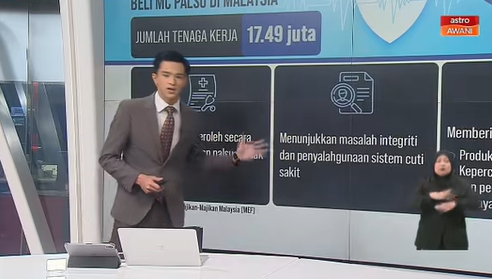
Trust and workplace culture
Beyond operational and financial concerns, fraudulent MCs can damage workplace relationships. Trust between employees and management is essential for effective collaboration, and cases of dishonesty can undermine morale across teams. Employers also worry that unchecked abuse may normalize unethical behavior and encourage similar conduct among other staff members.
Legal consequences
Submitting a forged medical certificate is not merely a breach of company policy. Under Malaysian law, the use of forged documents can result in disciplinary action, termination of employment, and potential criminal liability. Employers may also conduct domestic inquiries before imposing disciplinary measures where misconduct is suspected.
Authorities have also taken action against individuals involved in the sale and distribution of fake MCs, while medical practitioners found issuing certificates improperly may face professional disciplinary proceedings.
Moving toward digital verification
To address the problem, many organizations are exploring electronic medical certificate (e-MC) systems and digital verification platforms. These systems allow clinics and employers to verify medical leave records directly, reducing opportunities for document tampering and simplifying the verification process.
While technology alone cannot eliminate misuse or abuse completely, employers increasingly view digital verification as an important step toward strengthening trust, improving accountability, and ensuring that medical leave is used for its intended purpose.
Follow Wah Piang for more.