Consumers are urged to avoid using unexpected electronic devices delivered to their homes, as they may be linked to scams designed to steal personal data or compromise smartphones and computers.
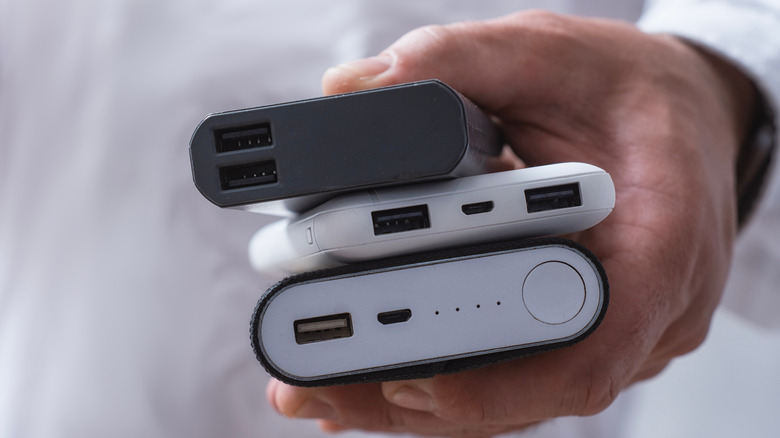
While receiving a free gadget may seem harmless, cybersecurity experts caution that unknown electronic devices should never be connected to smartphones, laptops or other personal electronics, as they could potentially be used to steal sensitive information or compromise a device.
Reports have highlighted cases where individuals receive parcels delivered to their home address, but under a name that does not belong to anyone in the household. The packages contain electronic items such as power banks, despite no order being placed. The mismatch between the recipient name and actual resident is one of the warning signs that the delivery may be suspicious.
According to security experts, scammers are constantly evolving their tactics. Instead of asking victims directly for money, criminals may send unexpected parcels containing electronic devices or include QR codes and instructions designed to lure recipients into visiting fake websites or downloading malicious applications.
Potential cybersecurity risks
USB-powered devices may be modified to install malware or create unauthorised access when plugged into a phone or computer. Even if the device itself is genuine, scammers may still use the package as part of a social engineering scheme to trick victims into revealing passwords, banking details or other personal information.
People are more likely to trust parcels delivered by legitimate courier services, making unsolicited packages an effective way for scammers to lower their targets’ guard.
How to protect yourself

Consumers are advised to first check whether a family member or friend ordered the item before opening or using it. If the sender cannot be verified, the safest option is to avoid using the device altogether. The public is also reminded not to scan unfamiliar QR codes, click unknown links or install applications promoted in unexpected packages.
Anyone who has already connected a suspicious device should disconnect it immediately, change passwords for important accounts, especially banking and payment apps, and monitor their accounts for any unusual activity. As cybercriminals continue to adopt more sophisticated methods, a simple rule can help prevent becoming the next victim: if you didn’t order it, don’t plug it in.
Follow Wah Piang for more.