Patients visiting Klang’s Tengku Ampuan Rahimah Hospital (HTAR) could eventually enjoy better facilities, more parking spaces and shorter waiting times, following a series of upgrades announced by the Health Ministry.
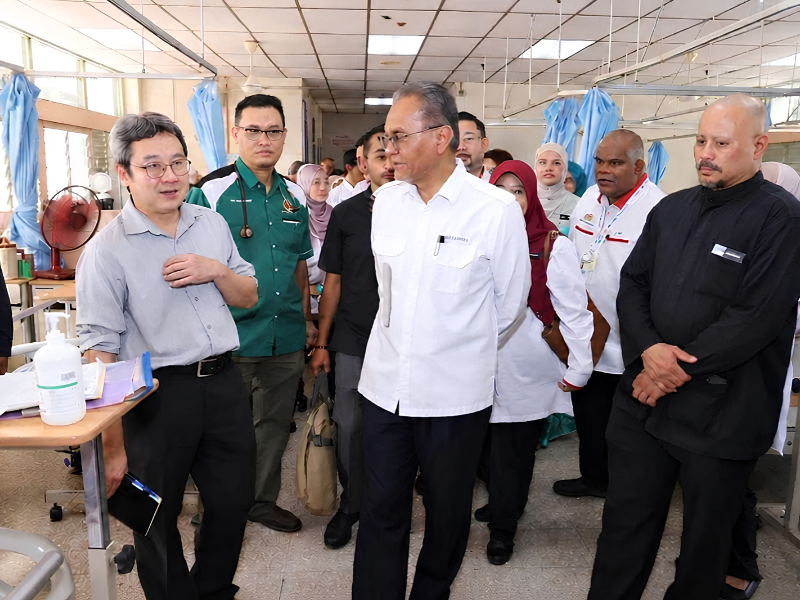
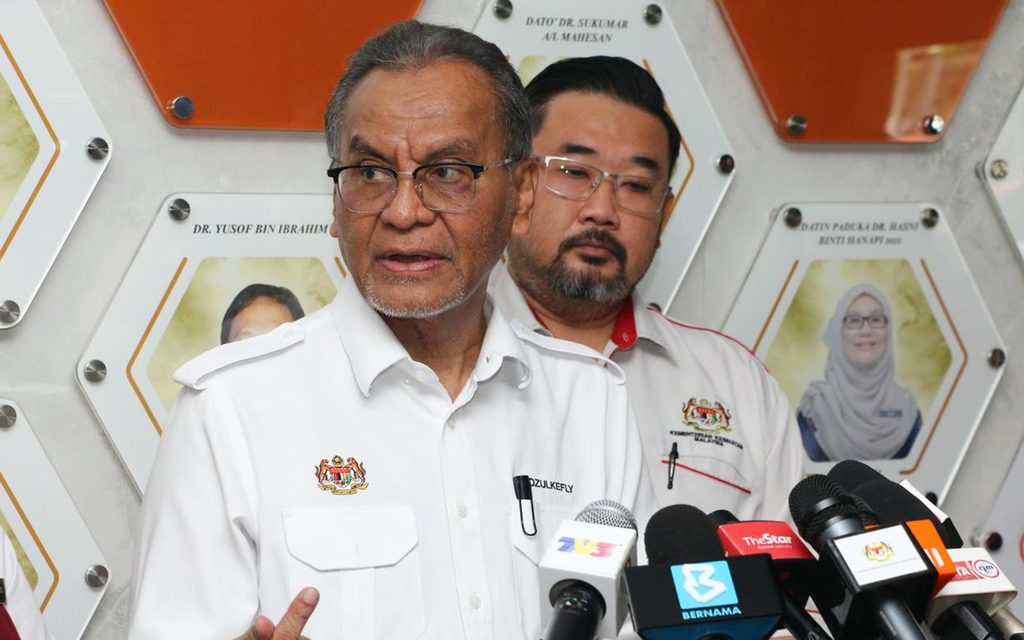
Health Minister Datuk Seri Dr Dzulkefly Ahmad has approved RM2.5 million to improve the hospital’s medical equipment, patient facilities and ward amenities.
The allocation was announced during his visit to HTAR on November 19, exactly one year after his previous unannounced inspection of the hospital. Of the total funding, RM1.59 million will go towards physical improvements, RM750,000 will be used to purchase medical equipment, while another RM160,000 is allocated for non-medical facilities.
Among the planned improvements are a better queue management system at the Ambulatory Care Centre (ACC), upgraded CCTV coverage at the Women and Children’s Treatment Complex, and improvements to the hospital’s auditorium and meeting rooms.
The hospital will also receive new ENT surgical equipment, three defibrillators, a diathermy machine, 250 bedside tables and 50 linked waiting chairs.
More parking spaces, but can parking fees be reduced?
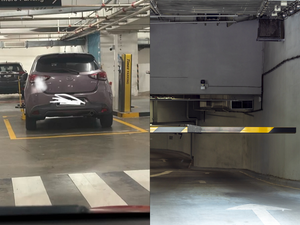
Parking has remained a major headache for visitors, with HTAR currently having around 2,100 parking spaces that are still insufficient to meet demand. There could soon be some relief, as its multi-storey mechanical parking facility is about 90% complete and is expected to add another 320 spaces.
However, parking charges introduced on October 1 have also raised concerns among patients and their families, particularly those from lower- and middle-income households.
Dzulkefly acknowledged the issue and suggested that the possibility of extending the parking concession company’s existing 12-year contract could be explored in exchange for lower parking rates.
New Kapar hospital could take pressure off HTAR
Another major development that could help ease the hospital’s overcrowding is the upcoming Kapar Hospital.
The new facility, which is being built to serve the northern Klang area, had reached 96.26% physical completion as of October 20, with construction reportedly progressing according to schedule. It will have 312 beds and 17 specialist departments, including facilities for infectious diseases.
The hospital is expected to begin operating in stages as early as June 2027. Once operational, it could take over an estimated 20% to 25% of HTAR’s patient load, potentially easing pressure on the existing hospital.
More treatment options at government clinics
Apart from building new facilities, the Health Ministry also wants to reduce unnecessary visits to major hospitals by expanding the services available at government health clinics.
Dzulkefly said healthcare workers at these clinics would receive additional training and certification to handle more medical procedures.
The ministry is also looking into allowing more qualified family doctors to prescribe and supply certain specialist medications, while arranging for specialists to provide regular services at selected government clinics. The aim is to let patients receive more routine treatment and follow-up care closer to home instead of returning to crowded hospitals just to collect medication.
The initiative is particularly important as Malaysia has 152 government hospitals, including 14 major state hospitals experiencing serious overcrowding, compared with 2,617 government health clinics.
Existing hospital improvements are still underway
During the visit, Dzulkefly also checked on several projects promised during his previous inspection.
An RM250,000 fundoscopy system for eye examinations has already been delivered and is in use, while the procurement of a separate RM600,000 optical coherence tomography scanner is ongoing.
Meanwhile, lift replacements at the Women and Children’s Treatment Complex and ward air-conditioning upgrades are also progressing. The hospital’s new 1.5 Tesla modular MRI machine is expected to complete installation by December 1, allowing scans of different body parts, including the liver. He also visited HTAR’s breast cancer centre, which brings together breast surgeons, family doctors and medical teams to provide patients with care from diagnosis through treatment.
Dzulkefly highlighted that more than 60% of cancer patients are diagnosed at stages three or four, stressing the importance of having a more coordinated approach to early detection and treatment.
Follow Wah Piang for more