Nan Yang Coffee Shop in Segamat, Johor has lodged a police report against a Facebook post by Halal Inquiry Company, after the page questioned the restaurant over its Mee Pok menu, apparently interpreting “Pok” as pork. The restaurant said this was a misunderstanding,
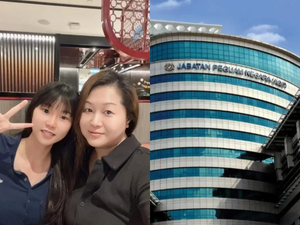
The police report was lodged at Segamat police station on Aug 7, following a post by Halal Inquiry Company that questioned why Muslims were eating at Nan Yang Kopitiam Segamat.
The post referred to the word “Pok” in the restaurant’s menu and questioned how Muslims could eat there, while also mentioning Muslim customers who were allegedly seen having roti bakar and coffee at the premises.
Restaurant says “Mee Pok” does not mean pork
According to the police report, the complainant disputed the interpretation of the restaurant’s menu, specifically pointing out that Mee Pok does not mean “pork noodles” and that “Pok” is not an abbreviation for “pork”.
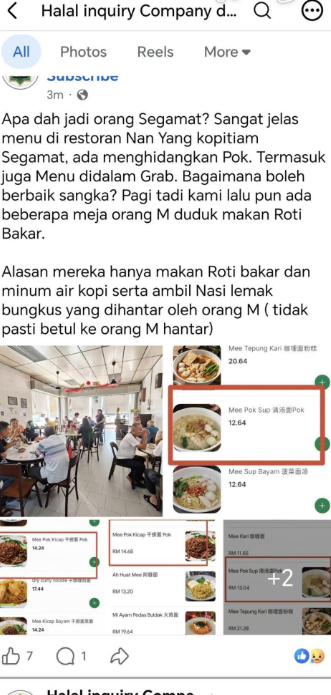
“What has happened to the people of Segamat? It is very clear that the menu at Nan Yang Kopitiam in Segamat includes pork. This also includes the menu listed on Grab. How can anyone still give them the benefit of the doubt?
When we passed by this morning, there were several tables of Malay people eating toast. Their excuse was that they only ate toast, drank coffee and had packed nasi lemak brought by Malay people — although we are not sure whether it was actually sent by Malay people.”
The complaint stated that the Facebook post had caused misunderstanding among the public and allegedly created concerns about the restaurant’s food.
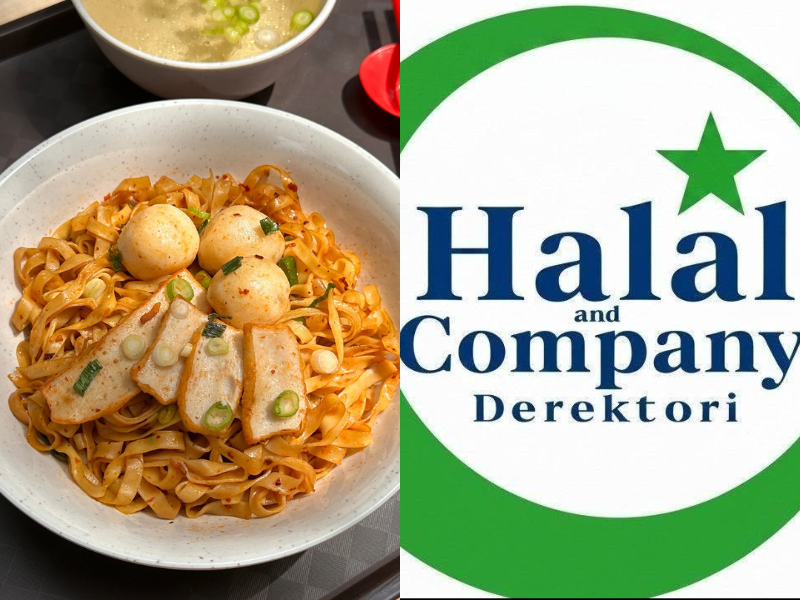
This distinction is important because Mee Pok refers to a type of flat, yellow noodle. The name itself does not automatically indicate that pork is used.
Of course, whether a particular Mee Pok dish contains pork or is halal still depends on the actual ingredients and preparation used by the restaurant.
Post was deleted after about three minutes
In a separate statement responding to the controversy, the restaurant said the original post was deleted about three minutes after it was published.
However, it argued that three minutes was enough for people to see the post, take screenshots and share it online.
The restaurant questioned whether deleting the post could undo the damage to its reputation.
It said the business had spent years building its name and customer trust, and that its reputation could not simply be restored by pressing “Delete”.
Halal inquiry company later apologised
The restaurant also pointed out that Halal Inquiry Company subsequently issued an apology, acknowledging that there had been errors and misunderstandings in the wording and information provided.
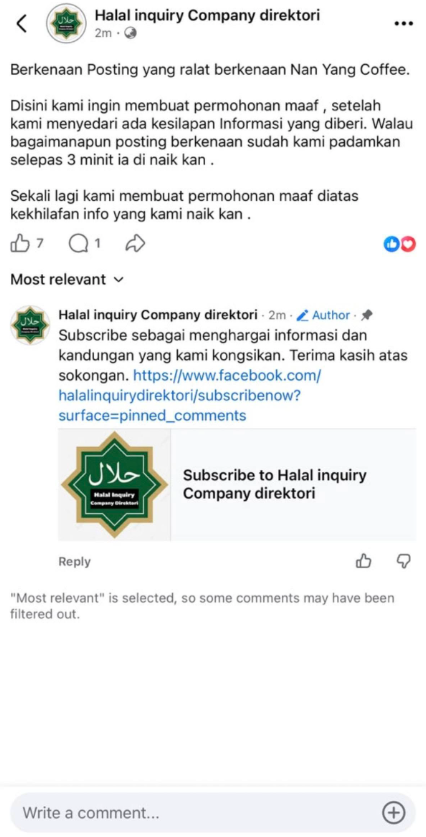
However, the restaurant questioned why comments were not enabled under the apology post.
It argued that if the original post was publicly available for people to view and discuss, the clarification and apology should also allow the public to understand what had actually happened.
Restaurant wants facts to be checked
The business also questioned the wider impact of controversial social media posts, particularly when allegations involving local businesses attract significant attention online.
However, it stressed that it was not accusing Halal Inquiry Company of deliberately creating controversy or having any particular motive without evidence.
Instead, the restaurant said it wanted facts, transparency and accountability, and urged people to verify information before sharing claims that could affect a business’s reputation.
The restaurant said it had kept screenshots, the original post, its deletion time and the subsequent apology.
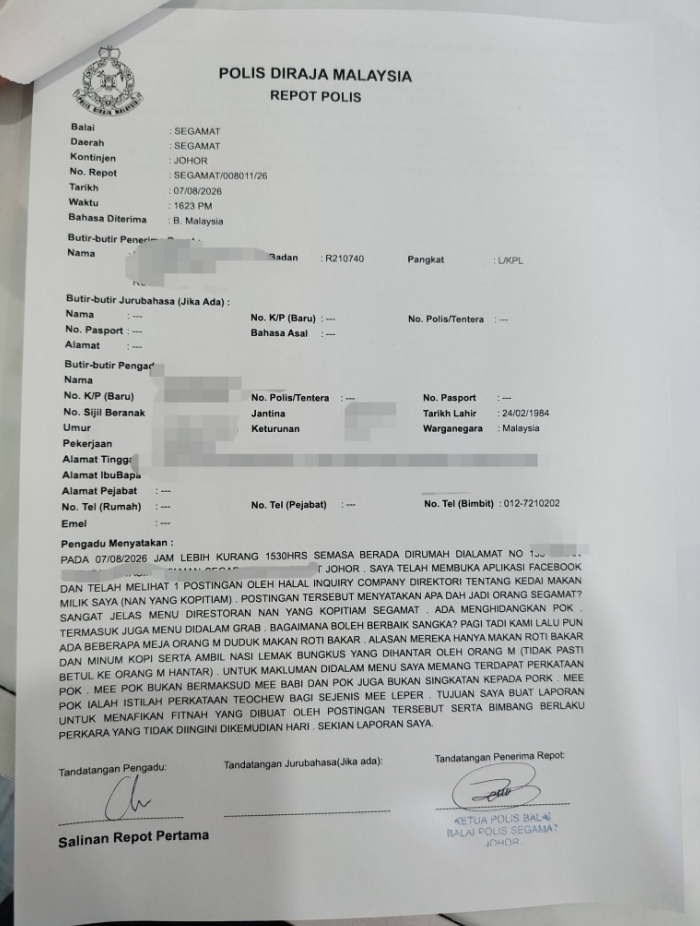
With a police report now lodged, the matter has moved beyond an online dispute, with the restaurant asking the authorities to look into the alleged misinformation and its impact.
Follow Wah Piang for more.