The United States and Iran are once again at a crossroads after their latest round of talks ended without progress, raising fresh concerns over rising geopolitical tensions and the future of negotiations.
Talks end without agreement
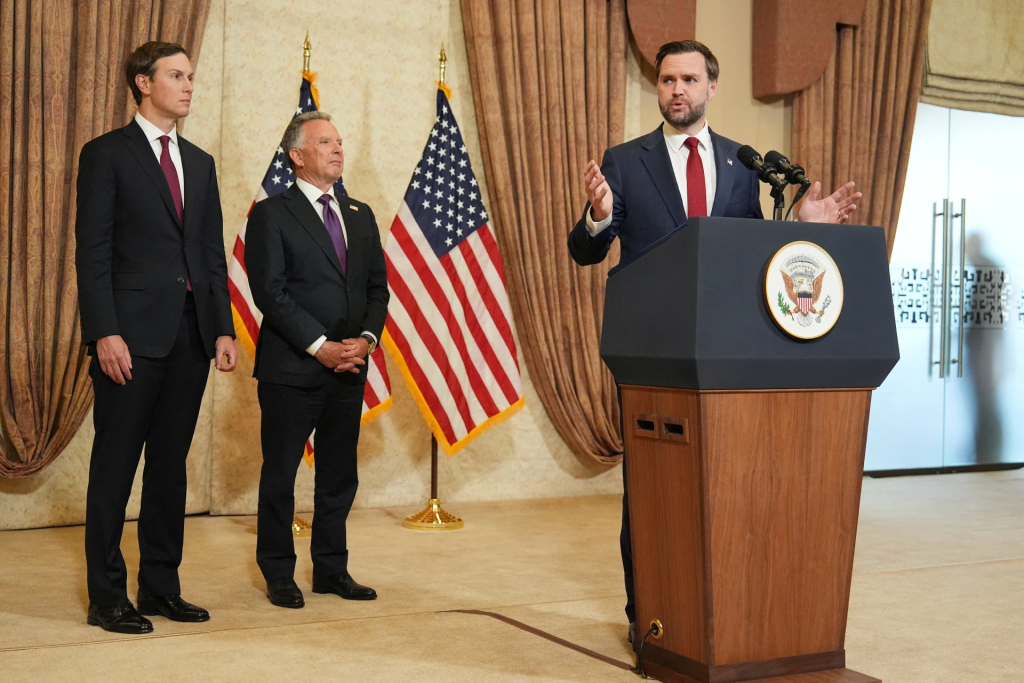
The high-level discussions which are meant to halt escalating tensions failed because both sides could not agree on major issues, including Iran’s nuclear programme and control over the strategic Strait of Hormuz.
Despite the failure, both sides indicated that diplomacy is not completely off the table, with Iran suggesting that further talks could still happen.
The mediator aims to bridge differences and secure a fresh round of negotiations before the ceasefire deadline on April 21.
US steps up pressure, says “ball is in Iran’s court”
Following the collapse, US Vice President JD Vance quickly ramped up pressure, making it clear that the next move lies with Tehran.
“I really think the ball is in the Iranian court, because we put a lot on the table. We actually made very clear what our red lines were,” Vance said in an interview with Fox News.
Strait of Hormuz blockade intensifies
A major focus of the crisis is the Strait of Hormuz, where the United States has implemented a naval blockade targeting Iranian maritime activity.
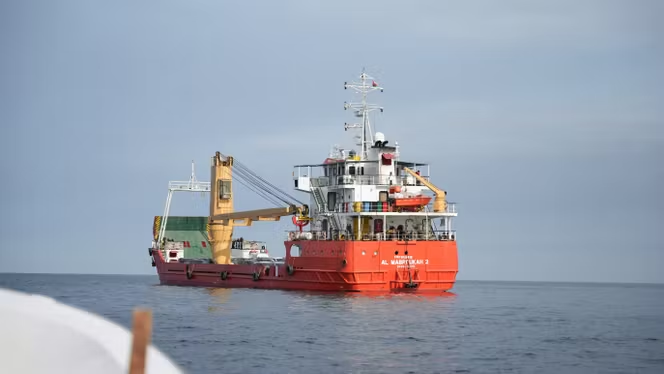
The move has significantly disrupted global oil shipping routes and raised fears of a wider economic shock.
The blockade has drawn international concern, with warnings that it could severely impact global energy supplies and push oil prices higher.
The conflict is also spreading across the wider region. Hezbollah has urged Lebanon to withdraw from talks with Israel, further complicating already fragile diplomatic efforts in the Middle East.
Three main reasons talk collapsed
The most critical sticking points included Iran’s nuclear programme, particularly the extent of uranium enrichment allowed and future limits on its nuclear activities.
Another major dispute was over sanctions relief, with Iran demanding immediate easing of restrictions while the US insisted on clear concessions first.
A further key issue was the status of the Strait of Hormuz, a strategic waterway central to global oil transport. Both sides remained divided over control, security arrangements, and access to the route, which has become one of the most sensitive points in the wider conflict.
Follow Wah Piang for more.