When global economic cycles are influenced by geopolitical tensions, industries such as oil, defense, and logistics often indirectly benefit. Among these, shipping and logistics are one of the most easily overlooked yet most significant beneficiaries, with factors such as freight rates, fuel surcharges, and supply constraints all potentially impacting their profitability.
Malaysia’s shipping industry
In Malaysia, major maritime and logistics players such as MISC Berhad, a subsidiary of Petronas, alongside regional shipping and logistics groups operating across East and West Malaysia.
MISC is Malaysia’s leading energy shipping company with an advanced ship fleet involved in transporting natural gas, petroleum, and chemicals.
Due to its strong involvement within the energy industry as a subsidiary of Petronas, the company benefits from long-term contracts and stable cargo demand.
During geopolitical tensions such as shipping route disruptions, shipping stocks have been found to be reacting positively due to anticipated increases in shipping fees and insurance.
Oligopoly structure in Malaysia’ shipping structure
The maritime logistics industry in Malaysia is often described as an oligopoly, meaning only a few dominant players control most of the market share.
The major players in the region are as follows:
- Shin Yang Group (East Malaysia)
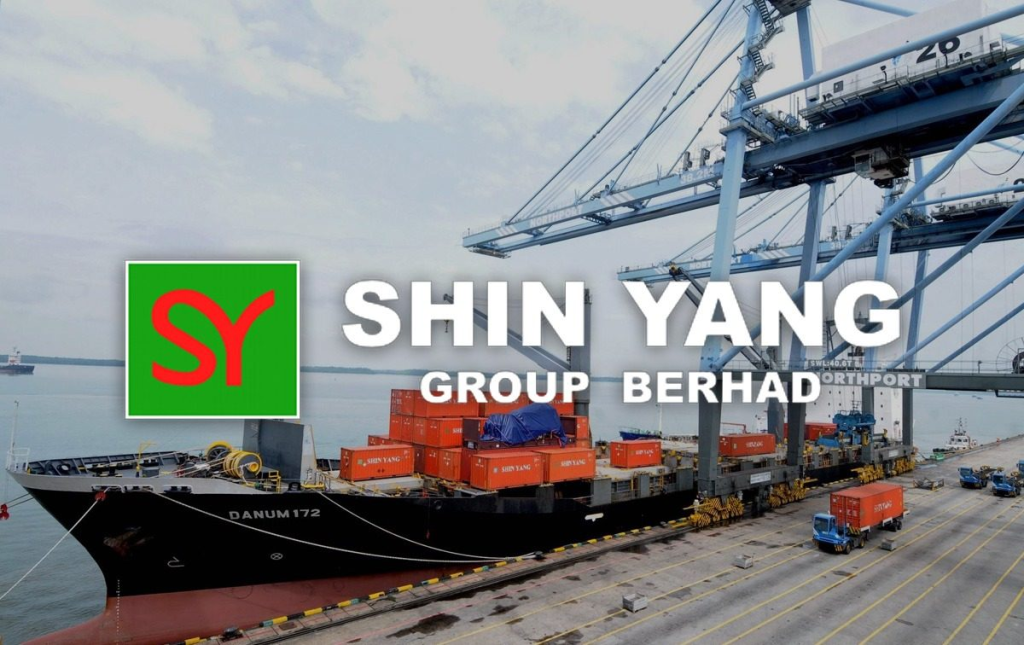
- Harbour-Link Group Berhad (East Malaysia)

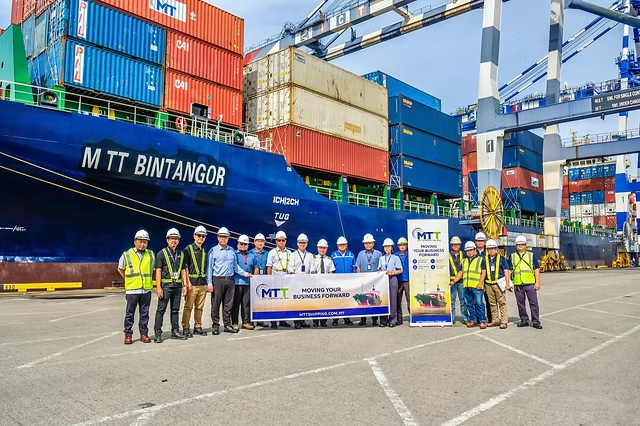
- MTT Shipping & Logistics (West Malaysia)
Because these companies control both vessels and container capacity, pricing power becomes a major competitive advantage. In many cases, freight rates can increase significantly when capacity tightens, especially during global disruptions.
War-driven fuel surcharges push shipping costs higher
If there are geopolitics issues, the prices of oil in the world are usually high and unpredictable, and this affects the cost of running ships. As such, ship owners charge extra fees referred to as Bunker Adjustment Factor (BAF) to cover for increased cost of operations.
These surcharges are typically added on top of base freight rates and are adjusted frequently (weekly or monthly) depending on fuel price movements and market conditions.
Consequently, the cost of transport tends to increase significantly within a short time frame. There is potential for each container to incur further costs based on the state of the route and the fuel price benchmark, resulting in greater transport earnings for the shipping company during such uncertain times.
Follow Wah Piang for more.