Indonesia’s proposal to charge ships passing through the Malacca Strait has sparked regional debate, as Malaysia and Singapore push back and reaffirm that the global shipping route must remain open under international law.
Indonesia’s proposal sparks regional maritime debate
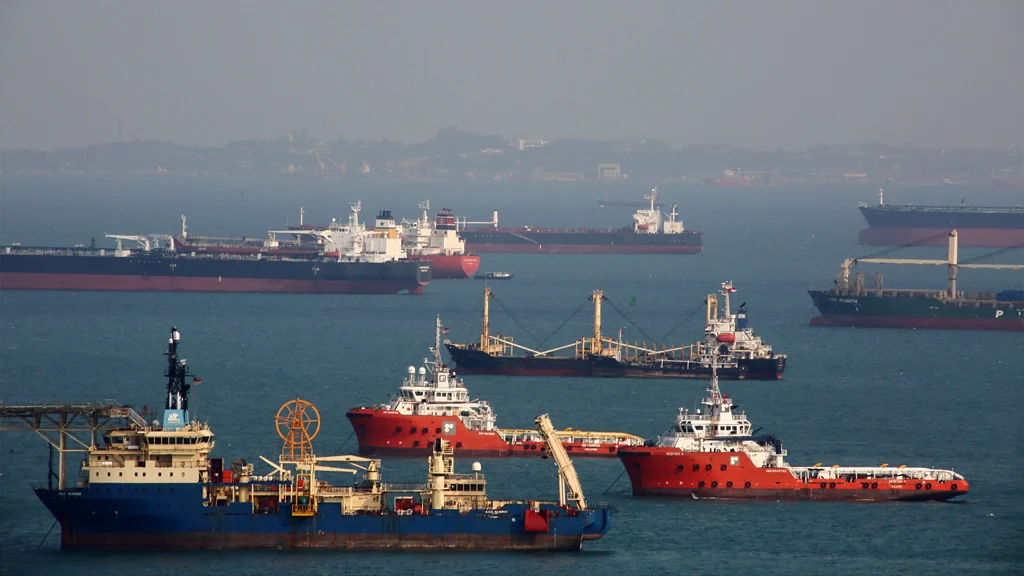
Indonesia has sparked fresh regional debate after its Finance Minister Purbaya Yudhi Sadewa floated the idea of imposing a levy on ships passing through the Malacca Strait, maximise the country’s strategic position along global trade and energy routes.
The Malacca Strait is one of the most important routes used in international business and energy transportation, but so far no fees have been charged to ships passing through it.
The strait is primarily bordered by Indonesia, Malaysia and Singapore, and connects the Indian and Pacific Oceans.
However, the idea has immediately triggered pushback from neighbouring countries and raised questions about international shipping rules.
Indonesia’s stance: “We sit on a strategic route”
Mr Purbaya said the proposal was based on the vision of the President Prabowo Subianto, who wanted Indonesia to move beyond being a “peripheral nation” and instead become a key player in global trade.
“As the President has instructed, Indonesia is not a peripheral country. We sit on a strategic global trade and energy route, yet ships pass through the Malacca Strait without being charged – I’m not sure whether that’s right or wrong,” said Mr Purbaya.

Image credits: Reuters
He also suggested that a jointly managed levy between Indonesia, Malaysia, and Singapore could generate significant revenue.
Although Indonesia controls the largest portion of the waters, Mr Purbaya admitted that any such move would require agreement from all three countries (Malaysia, Singapore & Indonesia).
Immediate pushback by Malaysia and Singapore
According to Singapore’s Minister for Foreign Affairs Vivian Balakrishnan,
- Shipping lanes through the Malacca and Singapore straits must remain open to all.
- Singapore would not support any effort to restrict them.
- Transit rights are protected under international maritime law (UNCLOS).
Malaysia has also expressed a similar stance:
- Remains committed to ensure freedom of navigation and transit through the Malacca Strait.
- Emphasized support for a rules-based international maritime system.
In conclusion, while Indonesia’s proposal highlights growing interest in maximising economic value from strategic sea routes, Malaysia and Singapore remain firm on preserving the Malacca Strait as a free and open international shipping lane.
Follow Wah Piang for more.